On this page · 5 sections
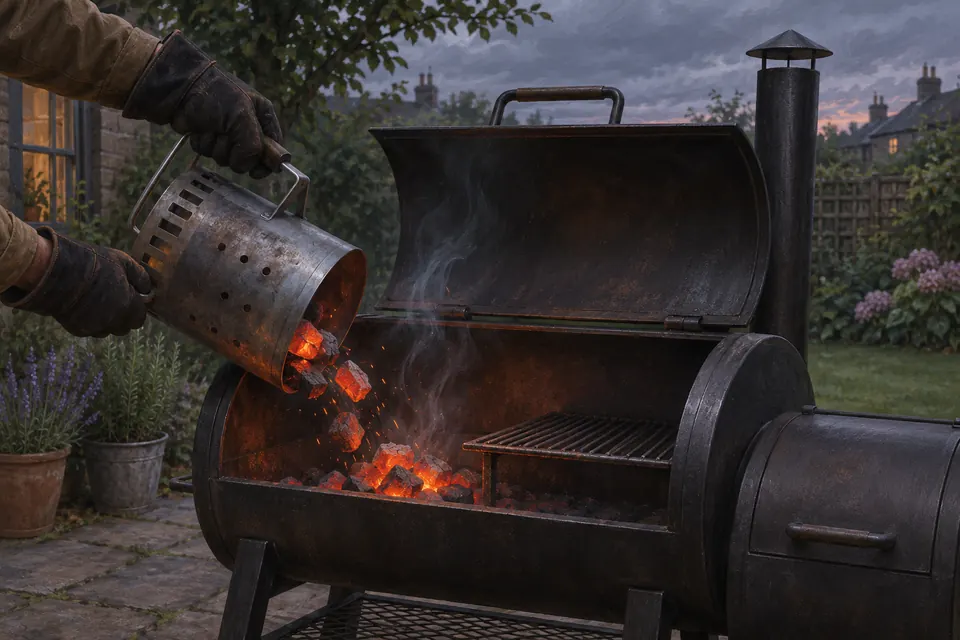
BBQ Smoker Guide opens today, in November, which is either very bad timing for a barbecue site or exactly right, depending on how you feel about cooking outside in a coat. The idea behind it is simple: most smoking advice online is written for long, dry summers and American butchers, and British cooks deserve something that starts from damp Saturdays, oak and beech, and a pork shoulder from the high street.
This note is a map of what's here, how to use it, and what still needs work.
What's on the site
The core of the site is the guides. They fall into a handful of groups: choosing a smoker, fuel and wood, technique, cooks, and weather. If you've never lit a smoker, start with how to use a smoker, which walks through a first cook in the order things actually happen. If you already cook and something keeps going wrong, common smoking mistakes is the quicker read.
Alongside the guides there are calculators. They do the dull sums that people get wrong at the worst possible moment: when to start a cook to eat on time, how much charcoal to have in, how much salt goes in a brine, and how much meat to buy for a crowd. They give ranges, not promises, because smoking doesn't do promises.
The one we'd point most British cooks towards is the smoking weather check. It looks at the kind of conditions that actually change a cook here, such as wind, rain and cold, and tells you what to plan for. It won't stop it raining. Nothing will.
There's also a glossary for the jargon (bark, the stall, snake method, thin blue smoke and so on), so you can read any guide without needing a second tab open.
The smoking school
If you prefer a route to a pile of pages, the smoking school puts the guides in a sensible order. It starts with fire and temperature, moves on to a first pork shoulder, then builds up to ribs, poultry and eventually brisket. Each step links to the guides you need for it and nothing else. You can dip in at any point, but beginners tend to get on better by going in order.
How to use it
Most pages open with a short answer, then explain the reasoning underneath. If the short answer is all you need, take it and go and light the fire. Cook pages carry a food safety note and point to the FSA guidance for safe temperatures, which we don't restate ourselves. Where a calculator helps, it sits near the top of the page.
The site doesn't sell smokers and doesn't name favourite brands. Comparisons are based on published specs, and the pages say so.
What's still being checked
Every page on the site is currently marked as a draft. The technique is mainstream and the advice is what most experienced cooks would give, but the cook temperatures, rough durations and fuel estimates still need a researcher to check them against reliable sources. Until that's done, treat any figure as a starting point and trust your probe thermometer over the page.
When a page has been checked, it'll say so, with the date. If you spot something that looks wrong before then, the corrections page explains how to tell us.
What's coming
Two things are next. The first is getting every figure checked, page by page, starting with the cooks people do most: pulled pork, brisket and ribs. The second is more cooks, especially British ones that American sites tend to skip, like lamb shoulder, gammon and game birds.
There will also be short seasonal notes like this one in the news section, covering what's worth smoking each month and what the smoker needs from you as the weather turns.
For now, if you've got a free weekend and a smoker that hasn't been out since September, the first cook guide is the place to start.
Keep going
 TechniqueCornerstone
How to use a smoker
Everything that happens in a first smoke, in order: lighting, holding temperature, adding wood, the stall, wrapping, resting and knowing when it's done.
Read the guide ToolCornerstone
Smoking weather check
Tell it the forecast and your smoker. Get a plain-English plan for wind, rain and cold: placement, fuel, timing and what never to do.
Open the tool