Reference
Knowledge basethe BBQ smoker reference shelf
Everything you look up mid-cook, in one place: a cheat sheet for every cook, problem-solving, temperatures, cuts, wood and the jargon.
Look it up
Reference pages
 TechniqueCornerstone
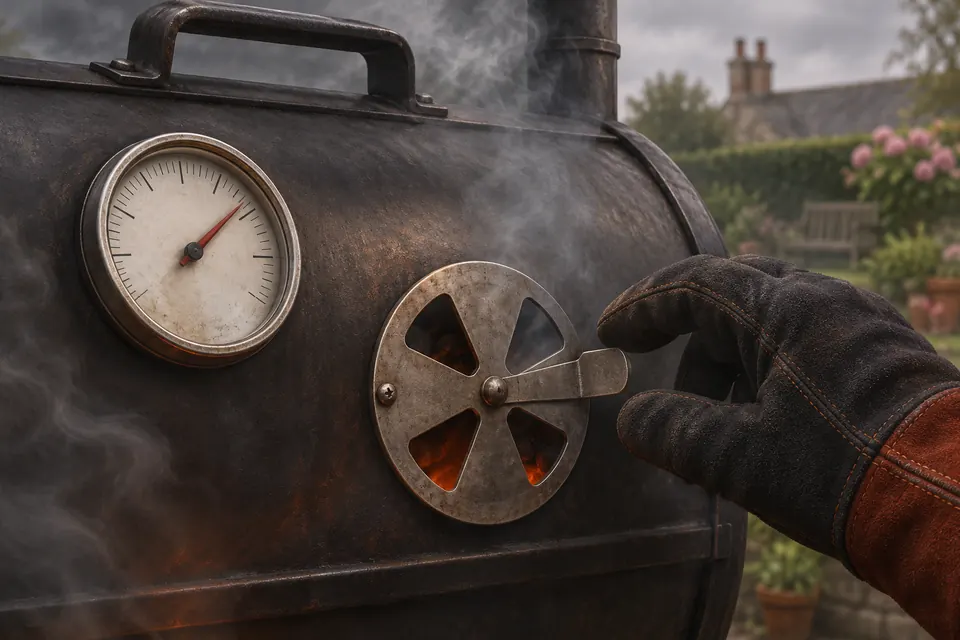
Smoker troubleshooting
Smoker won't get hot, smoke is thick and white, brisket came out dry? Short, practical fixes for over 30 common smoker problems, grouped by symptom.
Read the guide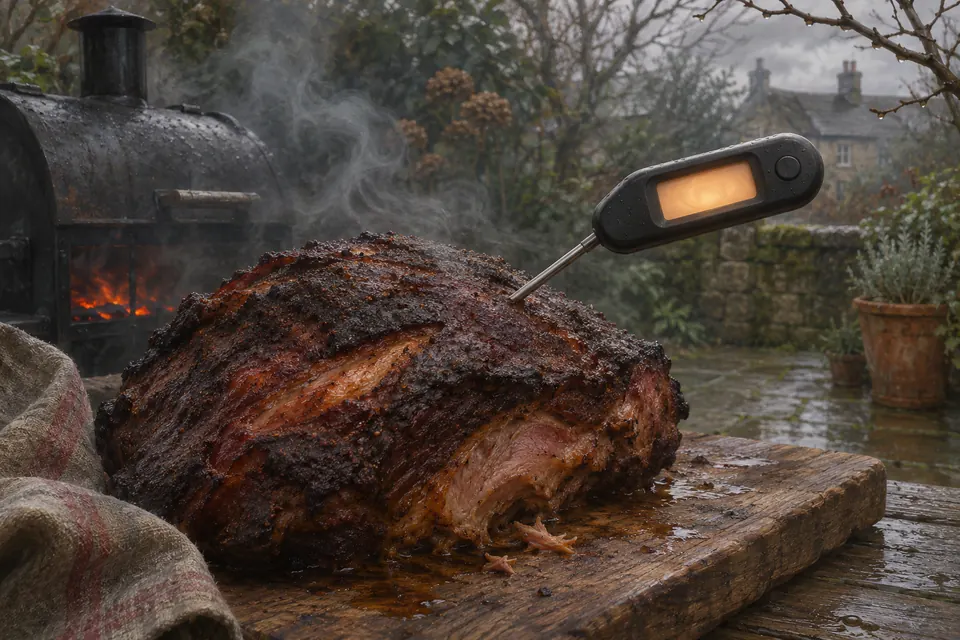 TechniqueCornerstone
BBQ temperature chart
Smoker temperatures by style and a cut-by-cut chart of what done means, from brisket to salmon, plus how to probe and check your thermometer.
Read the guide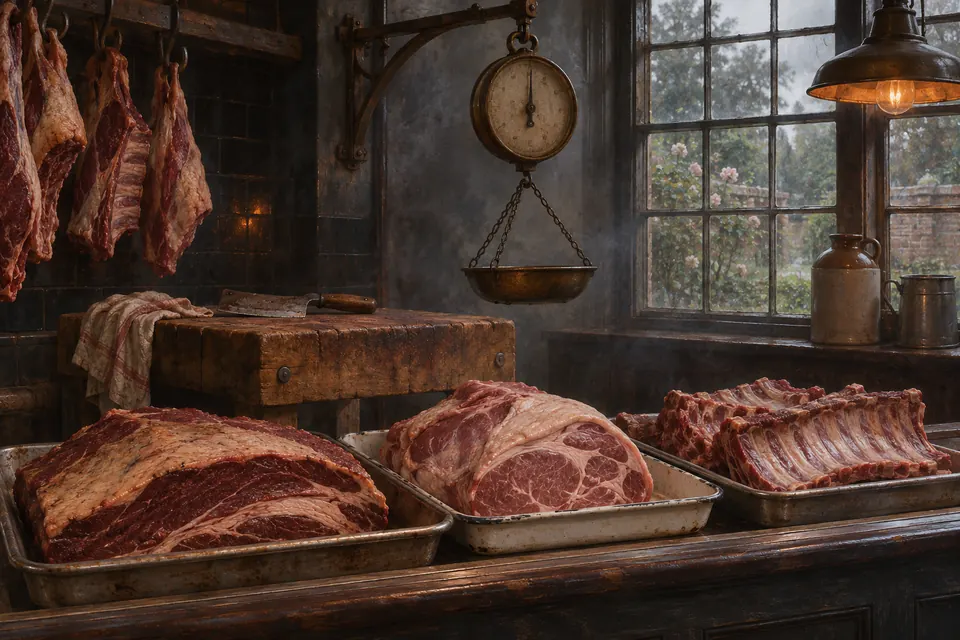 CooksCornerstone
UK vs US BBQ cuts
Translate American BBQ recipes into British butcher cuts: packer brisket, Boston butt, baby backs, short ribs and more, with a UK to US cut table.
Read the guide Tool
US recipe translator
Paste a line from an American barbecue recipe and read it back in UK terms: Celsius, kilograms, millilitres and the cut names a British butcher uses.
Open the tool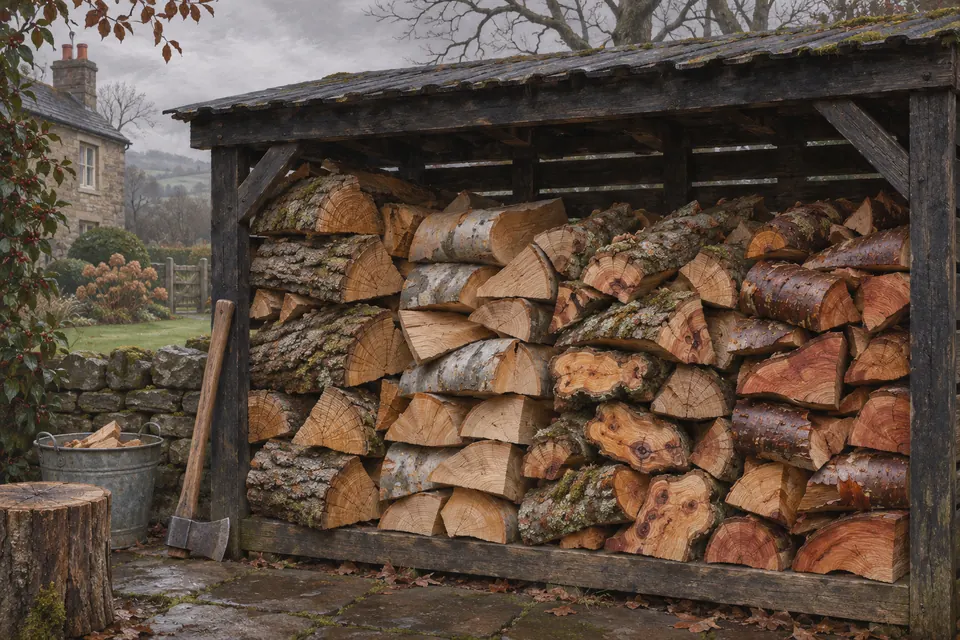 Fuel and woodCornerstone
Smoking wood in the UK
Which British woods suit which meats, chunks vs chips vs splits vs pellets, how dry the wood should be, what never to burn and how to store it.
Read the guide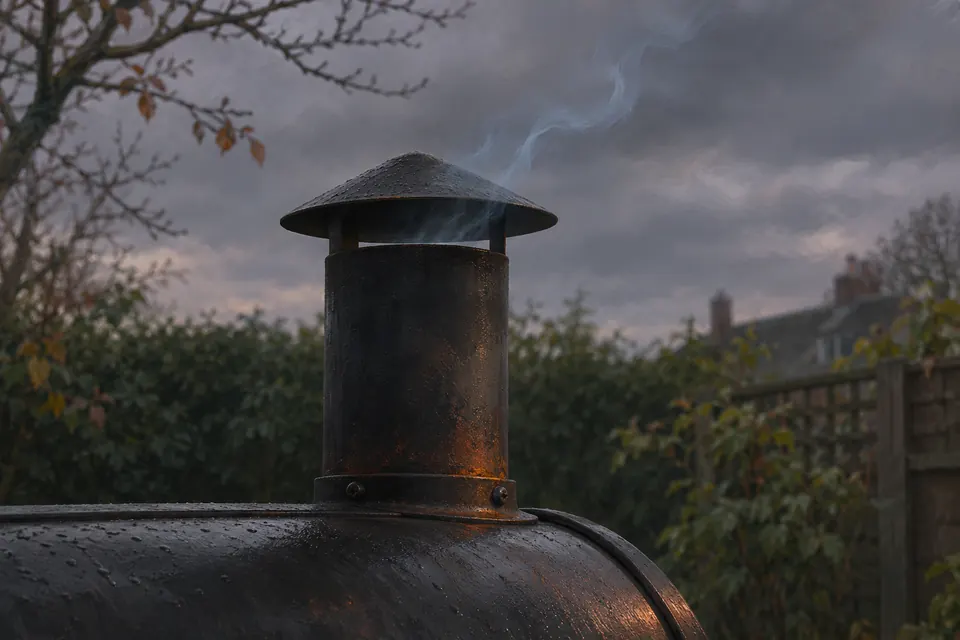 TechniqueCornerstone
Thin blue smoke
Clean fire versus smouldering fire, how airflow shapes the smoke, when to add wood, and how to read smoke colour on any charcoal or wood smoker.
Read the guide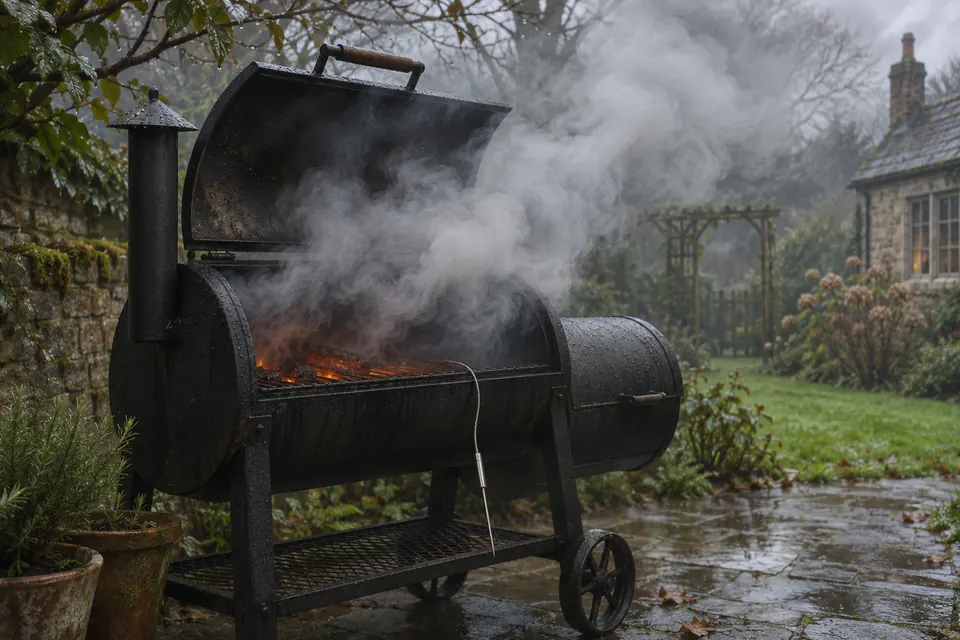 TechniqueCornerstone
Common smoking mistakes
The twelve mistakes behind most dry, bitter or late smoked dinners, from dirty smoke and lid-lifting to slicing with the grain, and how to fix each one.
Read the guide ReferenceBBQ glossary
65 terms in plain British English, from bark to the Texas crutch.
Open the glossaryCheat sheet
Every cook at a glance
Typical ranges from each guide, which our researcher is still checking. Tap a cook for the full method. Safe temperatures come from the FSA guidance.
| Cook | Smoker | Time | Done when | Wood |
|---|---|---|---|---|
| BBQ party planner | Around 110–120°C for the shoulder | Roughly 2.5–4 h per kg, plus rest and buffer | Probe slides in, around 90–95°C internal | Oak, beech or apple |
| Brisket smoking time | Around 110–120°C | Roughly 2–3 h per kg, plus rest | Probe tender, roughly 90–96°C | |
| Chicken thighs and drumsticks | Around 150–165°C, then crisp hotter | Roughly 1–1.5 h, plus a few minutes to crisp | Cooked through, checked by the bone (FSA) | Apple, cherry or a little oak |
| Cold smoking at home | Kept cool, close to the outside air | Cheese around 2–4 h to start | Fine oak or beech dust; apple or cherry milder | |
| Hot-smoked salmon | Around 80–110°C | Around 1–2 h, after the cure and pellicle | Opaque, flakes; safe temperature per FSA guidance | Oak; alder or beech for a lighter smoke |
| Pork belly burnt ends | Around 120–135°C | Usually 4–5 h in total | Probe slides in easily, around 90–95°C | Apple or cherry, or oak for stronger smoke |
| Pulled pork smoking time | Around 110–120°C | Roughly 2.5–4 h per kg, plus rest | Probe slides in, around 90–95°C | |
| Reverse sear steak | Around 110–135°C, then very hot to sear | Around 45 min–1.5 h low, plus the sear | Safe temperature per FSA guidance | One small chunk of oak or beech |
| Rolled brisket joint | Around 120–135°C | Around 5–7 h for 1.5 kg (smoke, then braise) | Probe slides in easily | Oak or beech |
| Smoked beef short ribs | Around 120–135°C | Plate around 7–10 h; chuck around 6–8 h | Probe tender, around 93–98°C | Oak; beech, ash or a little cherry |
| Smoked cheese | Cold, close to outside air; no melting | Around 2–4 h of light smoke to start | Fine oak, beech, apple or cherry dust | |
| Smoked chicken wings | Around 120–135°C, then crisp at 200–230°C | Around 45–60 min smoke, 10–20 min crisp | Safe temperature per FSA guidance | Apple, cherry or beech, one or two chunks |
| Smoked Christmas turkey | Around 135–165°C | Around 2.5–4 h for a 2–3 kg crown | Safe temperature per FSA guidance | Apple, cherry or beech |
| Smoked duck | Around 135–160°C, then crisp at 200–220°C | Whole around 2.5–3.5 h; legs around 2–2.5 h | Safe temperature per FSA guidance | Cherry, or apple |
| Smoked edible gifts | Nuts around 110–120°C; salt hot or cold; cheese cold only | Nuts about 1 h; salt 2–4 h; cheese 2–4 h cold | Nuts golden and dry; salt tinted tan | Oak, beech or apple |
| Smoked gammon and ham | Around 110–135°C; 150–175°C to glaze | Around 3–5 h for 2 kg, plus 30–45 min glaze | Safe temperature per FSA guidance | Apple or cherry; beech for a milder smoke |
| Smoked lamb shoulder | Around 120–135°C | Around 6–9 h for a 2–2.5 kg shoulder | Bone wiggles free, low to mid 90s °C | Cherry, apple or oak |
| Smoked mackerel and trout | Around 80–110°C | Around 45 min–2.5 h, after brine and pellicle | Safe temperature per FSA guidance | Alder, beech or oak, used lightly |
| Smoked pheasant | Around 120–135°C | Pheasant 1–1.5 h; partridge 45–60 min | Cooked through, checked with a probe (FSA) | Apple, cherry or a little oak |
| Smoked pulled beef | Around 120–135°C | Roughly 1.5–2 h per kg, plus rest | Probe tender, around 93–96°C | Oak, or beech |
| Smoked ribs, UK style | Around 110–135°C | Spares around 5–6 h; loin ribs around 4–5 h | Bend test: rack sags and the surface cracks | Apple or cherry; beech or oak also work |
| Smoked sausages | Around 110–120°C | Fresh bangers around 1–1.5 h, then a sear | Safe temperature per FSA guidance | Apple, cherry or beech, one or two chunks |
| Smoked vegetables and halloumi | Around 120–135°C | Halloumi 20–30 min; cauliflower 1.5–2 h | When they look and feel right | A light fruitwood, apple or cherry |
| Smoked venison | Around 105–120°C; shoulder up to 135°C once wrapped | Haunch 1.5–2.5 h; loin 30–60 min; shoulder 6–8 h | Haunch and loin pink; shoulder until it pulls. Mince and sausages cooked through (FSA) | Oak, beech or cherry, used lightly |
| Smoked whole chicken | Around 150–175°C | Around 1.5–2 h for a 1.5–2 kg bird | Safe temperature per FSA guidance | Apple, cherry or beech, one or two chunks |
Wood
Which wood for which food?
Tap a food to light up the woods that suit it. British oak, beech and fruitwoods cover almost everything.
| Food ↓ · Wood → | Oak | Beech | Apple | Cherry | Alder | Ash | Hickory | Mesquite |
|---|---|---|---|---|---|---|---|---|
| Classic match | Works well | Not usually | Works well | Not usually | Not usually | Works well | Works well | |
| Works well | Works well | Classic match | Classic match | Not usually | Not usually | Classic match | Not usually | |
| Classic match | Works well | Not usually | Works well | Not usually | Not usually | Not usually | Not usually | |
| Works well | Classic match | Classic match | Classic match | Not usually | Works well | Not usually | Not usually | |
| Works well | Works well | Classic match | Classic match | Not usually | Not usually | Not usually | Not usually | |
| Classic match | Classic match | Works well | Classic match | Not usually | Not usually | Not usually | Not usually | |
| Works well | Classic match | Works well | Not usually | Classic match | Works well | Not usually | Not usually | |
| Works well | Classic match | Classic match | Works well | Works well | Not usually | Not usually | Not usually | |
| Works well | Works well | Classic match | Works well | Not usually | Classic match | Not usually | Not usually |
Tap a food to see which woods to reach for.
Popular questions
Quick answers
Which gives the strongest smoke flavour?
Most cooks find a well-run offset gives the strongest wood-smoke flavour, a kamado comes close, and a pellet grill gives a milder smoke. Plenty of people prefer the milder version.
Can a kamado do everything a pellet grill does?
Mostly, and it grills hotter. What it can't do is hold temperature by itself: you still light it and set the vents, and it won't adjust if the weather changes.
How far ahead should I order the meat?
Aim for a week ahead for a big party in summer, and more for a bank holiday weekend. Butchers can also bone, roll or trim for you if you ask in advance.
Can I cook the pork the day before and reheat it?
Yes, and plenty of people do for big parties. Chill it quickly after cooking, then reheat it until it's steaming hot all the way through, following the FSA guidance on reheating.
What temperature should my smoker be?
For most low-and-slow cooks, around 110–135°C at grate level. Poultry and anything where you want crisp skin goes hotter. The style table above covers each range.
Is brisket safe to eat before 90°C?
Safety and tenderness are different questions. Brisket passes safe temperatures long before it's tender; the higher figure is about texture. For the safety side, check the FSA guidance.
How long does a 5 kg brisket take to smoke?
At around 110–120°C, a 5 kg whole brisket usually needs something like 10 to 15 hours, plus a rest of two hours or more. Thickness and weather can push it either way, so plan with a wide window and hold it if it finishes early.
Should I cook brisket fat side up or fat side down?
It depends on where your heat comes from. Most cooks face the fat towards the main heat source as a shield, which on many smokers means fat side down. On a smoker with gentle, even heat, fat side up is common. Neither choice will rescue a dry flat.
What is the single most common smoking mistake?
Starting too late, closely followed by trusting the lid thermometer. Both lead to rushed, uneven cooks, and both are easy to fix with planning and a probe thermometer.
Why does my smoked meat taste bitter?
Almost always dirty smoke, from a fire that's short of air, wood added to weak coals or simply too much wood. Open the intake, keep the exhaust open and use fewer chunks.
Why does my food taste bitter even though I used good wood?
Usually because the fire smouldered at some point, most often at the start or after wood was added to weak coals. Give the smoker more air through the intake, keep the exhaust open and don't put food on until the early white smoke has cleared.
Is thin blue smoke actually blue?
Sometimes faintly, especially against a dark background, but often it's closer to a pale haze or nearly invisible shimmer. If you can see a thick column from the other end of the garden, it isn't thin blue smoke.
How long does it take to smoke meat?
Longer than you'd guess. Small cuts like chicken thighs take an hour or two; a pork shoulder or brisket is most of a day. Use the planner with your recipe's cook rate, then build in an hour's buffer.
Do I need to soak wood chips?
No. Soaked wood steams before it smokes, which mostly delays things. Use chunks on charcoal; chips are for electric smokers and smoke boxes.