On this page · 9 sections
At a glance
- Ask for
- Firm cheese: Cheddar, Red Leicester, Double Gloucester
- Smoker
- Cold, close to outside air; no melting
- Time
- Around 2–4 h of light smoke to start
- Wood
- Fine oak, beech, apple or cherry dust
- Rest
- Wrapped in the fridge, around a week or more
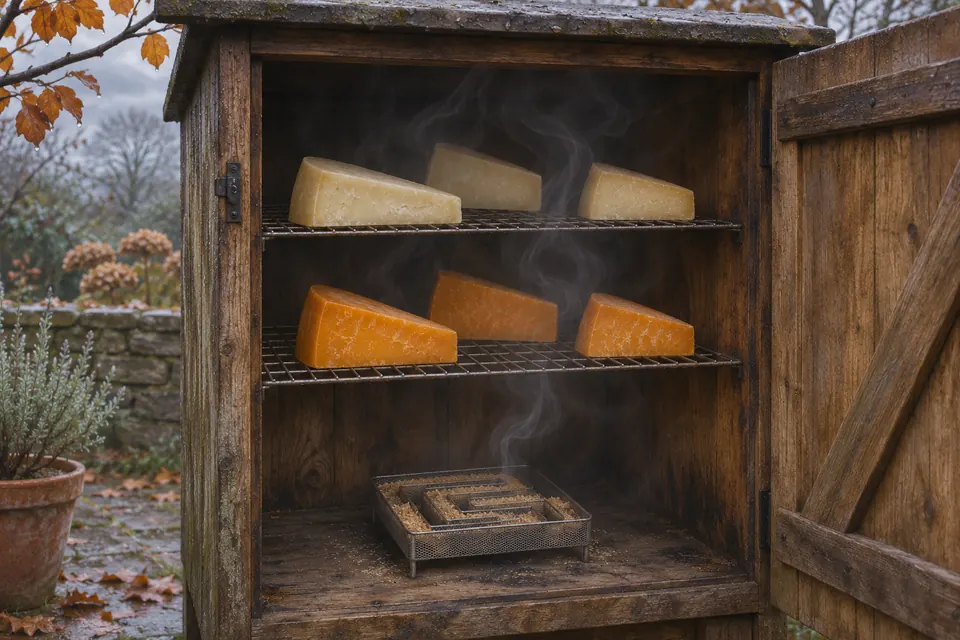
The classic first attempt at smoked cheese goes like this: a sunny Saturday in June, a block of Cheddar in the smoker, a little tray of chips on the coals "just for a bit of smoke", and forty minutes later a puddle of orange fat on the grate. Cheese needs smoke without heat, which is why this is a cold smoking job and why it's best done when the weather is grim enough that nobody else is in the garden.
Why cheese needs cold smoke
Hot smoking cooks food. Cheese doesn't want cooking; hard cheese starts to soften and sweat oil long before any meat on the same grate would be warm. So the smoke has to come from something that makes almost no heat at all.
That's what a cold smoke generator is for. The common type is a small metal maze or spiral that you fill with fine wood dust. You light one end with a tealight, it smoulders slowly along the track for hours, and it gives off a thin stream of smoke with barely any warmth. It sits in the bottom of a smoker, a kettle BBQ, a cardboard box or a wooden smoke cabinet. The food goes as far from it as possible. Our guide to cold smoking at home covers the kit in more detail.
Why the time of year matters in the UK
For once, the British climate is on your side. A cold smoker doesn't add much heat, so the temperature inside depends on the weather outside, plus whatever the sun does to the metal box.
- Late autumn to early spring is the sweet spot. Cool, dry days mean the chamber stays well chilled for hours.
- Summer is risky. A dark metal smoker in sunshine heats up fast, even on a mild day, and the cheese softens and sweats. If you must smoke in summer, start at dawn, keep the smoker in full shade and stop if the chamber warms up.
- Freezing days work but slow the smoke take-up. That's not a problem, just a longer session.
- Damp, still, foggy days can leave the cheese with a sticky, bitter coating, because smoke and moisture settle on the surface together. A dry, slightly breezy day is better.
Put a thermometer inside the chamber, not just outside. The British smoking calendar has more on which months suit which cooks, and smoking in winter covers keeping the generator lit when it's cold and blowy.
Which cheeses to smoke
Start with firm, hard cheeses. They hold their shape, take smoke evenly and keep well once wrapped. These styles all work:
| Cheese style | What smoking does | Notes |
|---|---|---|
| Mature Cheddar | Strong, savoury, very popular | The classic first try; a sharp one stands up to oak |
| Red Leicester | Mellow, nutty, lovely colour | Good with apple or cherry |
| Double Gloucester | Rich and buttery | Takes smoke gently; easy to like |
| Lancashire, Wensleydale (firm types) | Light and tangy | Crumbly, so handle carefully and smoke briefly |
| Hard Alpine-style and Italian-style hard cheeses | Nutty, deep | Smoke in small pieces; grates well afterwards |
Soft, fresh and mould-ripened cheeses are fussier and more likely to melt or pick up an unpleasant taste. Unpasteurised and soft cheeses also carry extra risk for pregnant people and other vulnerable groups, so check the FSA guidance before smoking them for anyone in those groups. Halloumi is a different story: it's usually hot smoked and grilled, and it's covered in smoked vegetables and halloumi.
Getting the cheese ready
Cut large blocks into smaller pieces so the smoke can reach more surface. Blocks roughly 5–8 cm thick work well; anything much bigger ends up smoky on the outside and plain in the middle.
Take the cheese straight from the fridge, pat it dry with kitchen paper and let the surface air-dry for a few minutes. Cold cheese with a dry surface takes smoke more evenly and is less likely to sweat. Wash your hands and keep boards and knives clean, as you would for any food going back in the fridge.
Smoking it
- Fill and light the generator following its instructions. Fine oak or beech dust gives a classic, stronger smoke. Apple and cherry are milder and sweeter. The smoking wood guide covers which woods to avoid, including anything treated or resinous.
- Put the cheese on a rack as far from the generator as you can, with space between pieces so air can move.
- Close the lid and leave the vents partly open. Smoke needs to flow through, not hang about. Stale, trapped smoke makes cheese bitter.
- Smoke for around two to four hours for a first batch. Light smoke is easier to fix than heavy smoke: you can always smoke the next batch longer.
- Check every hour or so. If the cheese looks shiny and oily, or the chamber is warming up, stop and get it back in the fridge.
The cheese should come out a shade or two darker, still firm, and smelling quite smoky. At this stage it tastes harsh. That's normal.
Smoke a small offcut alongside the main blocks and taste it at intervals over the following week. It tells you more about your smoke time than any recipe.
Resting: the step that matters most
Fresh from the smoker, smoked cheese tastes ashy and the smoke sits only on the outside. Wrap each piece in baking paper, then in a bag or cling film, and put it in the fridge. Over around a week the smoke softens and spreads further into the block. Many cooks wait two weeks for the best flavour.
Label each piece with the date and wood used. Vacuum packing, if you have a sealer, keeps the cheese well for longer. Keep it chilled throughout and follow the FSA guidance on storing cheese and how long to keep it once opened.
Avoiding melting and other problems
- Melting or sweating: the chamber is too warm. Smoke on a colder day, earlier in the morning, in the shade, and keep the generator well away from the cheese. Never add hot coals or a lit burner.
- Bitter, acrid taste: too much smoke, smoke that's trapped by closed vents, or damp wood dust. Use dry dust, open the vents a little and shorten the time.
- Barely any flavour: the session was too short, the blocks were too large or the cheese wasn't rested. Wait the full week before judging.
- Generator keeps going out: usually damp dust or too little airflow. Dry the dust in a low oven first, then let it cool completely.
Your next step
Buy one block of mature Cheddar and one of Red Leicester, pick the next cold, dry day and smoke them side by side with the same wood. A week later you'll know which one you prefer and how long your setup needs, and you'll have a decent present sorted too: smoked cheese turns up in our smoker gift ideas for good reason.
FAQs
Can I smoke cheese in a normal smoker?
Only with a cold smoke generator and no fire. A charcoal, pellet or electric smoker running even at its lowest setting is far too hot for cheese. The smoker body just acts as the box.
How long should smoked cheese rest before eating?
Most cooks rest it wrapped in the fridge for around a week, and many prefer two. Straight out of the smoker it tastes harsh and ashy.
Which wood is good for smoking Cheddar?
Oak and beech give a classic, fuller smoke that suits a strong Cheddar. Apple and cherry are milder and work well with Red Leicester and Double Gloucester.
Is homemade smoked cheese safe?
Hard cheese is the low-risk end of cold smoking, provided it's kept chilled, handled cleanly and stored properly. Follow the FSA guidance on storage, and take extra care with soft or unpasteurised cheeses for vulnerable groups.
Can I smoke cheese in summer?
It's possible very early on a cool, overcast morning, with the smoker in full shade. Most cooks find it much easier to wait for autumn.
Keep going
 Cooks
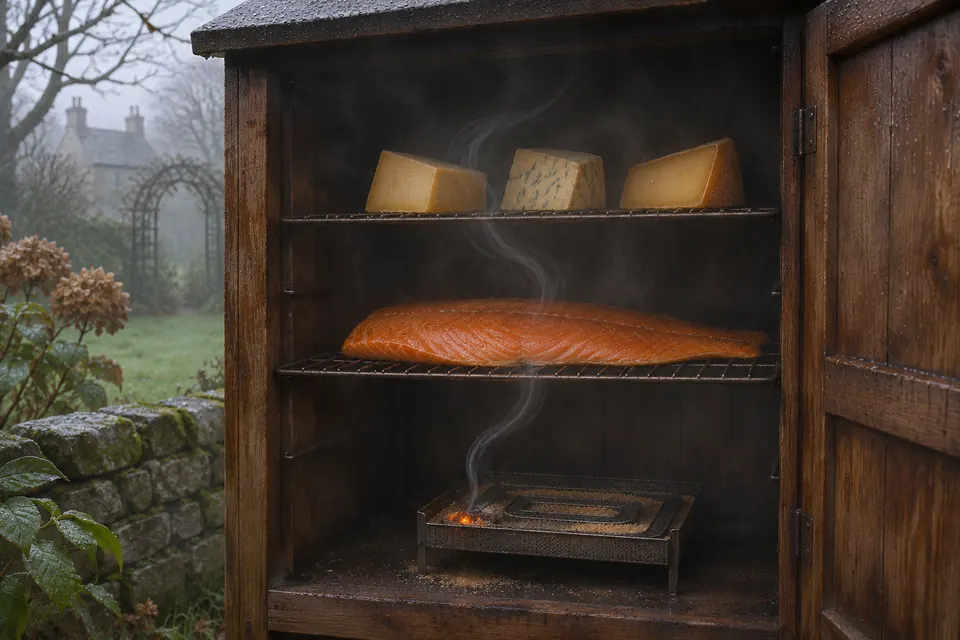
Cold smoking at home
How cold smoking works, smoke generators, the best months in the UK, and the food-safety rules that matter. Start with cheese; treat fish and meat with care.
Read the guide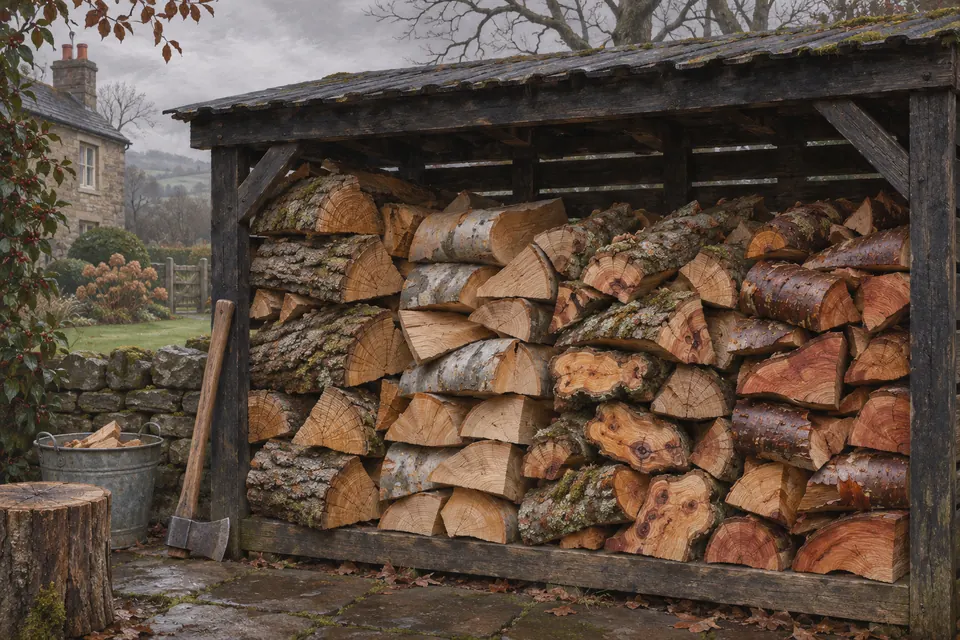 Fuel and woodCornerstone
Smoking wood in the UK
Which British woods suit which meats, chunks vs chips vs splits vs pellets, how dry the wood should be, what never to burn and how to store it.
Read the guide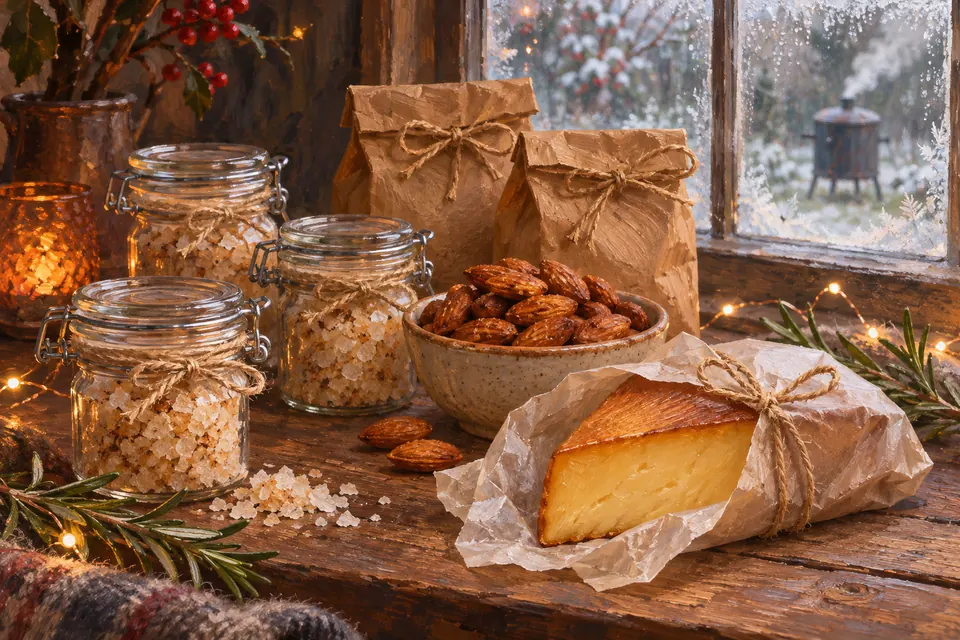 Cooks
Smoked edible gifts
Make smoked sea salt, smoked nuts, smoked chilli flakes and smoked cheese as homemade Christmas presents: one smoker session, how to jar and label them, and how long they keep.
Read the guide