On this page · 7 sections
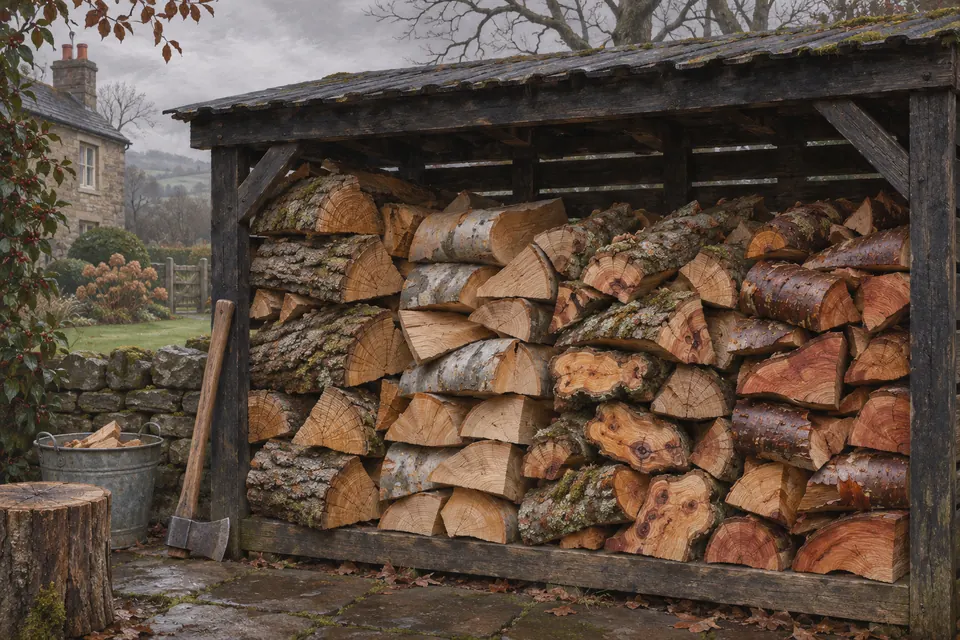
You don't need hickory. Most American barbecue recipes call for it, along with mesquite and pecan, and you can buy imported bags of all three in Britain. But the woods that grow here are excellent for smoking, and generations of British smokehouses have done very nicely with oak, beech and fruitwood. Start with those, learn what they taste like, and treat the imports as an occasional curiosity rather than a requirement.
Which wood for which meat
Pairing wood with meat is mostly taste and tradition, not science. The table below is our opinion of good starting points, based on how strong each wood's smoke tends to be. Swap freely.
| Wood | Smoke character | Good with | Notes |
|---|---|---|---|
| Oak | Medium to strong, clean | Beef, brisket, lamb, pork shoulder | The reliable all-rounder. Hard to go wrong |
| Beech | Medium, mild and even | Almost anything; fish, cheese, pork, chicken | Traditional for smoked fish and cheese |
| Apple | Mild, slightly sweet | Pork, ribs, chicken, cheese | Lovely on pork. Builds flavour slowly |
| Cherry | Mild to medium, fruity | Pork, ribs, duck, chicken | Gives a deep reddish colour to the bark |
| Pear and plum | Mild, fruity | Pork, poultry | Use like apple if you can get them |
| Alder | Light, delicate | Salmon and other fish | The classic for fish |
| Ash | Mild, clean, burns fast | Fish, poultry, vegetables | Burns quickly, so mix it with oak on long cooks |
| Hickory (imported) | Strong, bacon-like | Pork, ribs | Easy to overdo |
| Mesquite (imported) | Very strong, earthy | Short, hot cooks of beef | Too fierce for long cooks for most people |
A few general rules sit underneath that table. Big, rich cuts like brisket and lamb shoulder stand up to stronger woods. Delicate food, such as fish, poultry and cheese, suits lighter ones. Mixing works well: oak with a chunk of cherry is a popular brisket blend, and apple with a little oak suits pulled pork. And whatever the wood, a little goes a long way. Too much smoke is a much more common problem than too little.
If a cook tastes bitter or "ashtray", blame the fire before the wood. Thin, bluish smoke from a clean fire tastes good with almost any hardwood; thick white smoke from a smouldering one tastes bad with all of them.
Or pick what you are cooking and let the grid suggest a wood:
| Food ↓ · Wood → | Oak | Beech | Apple | Cherry | Alder | Ash | Hickory | Mesquite |
|---|---|---|---|---|---|---|---|---|
| Classic match | Works well | Not usually | Works well | Not usually | Not usually | Works well | Works well | |
| Works well | Works well | Classic match | Classic match | Not usually | Not usually | Classic match | Not usually | |
| Classic match | Works well | Not usually | Works well | Not usually | Not usually | Not usually | Not usually | |
| Works well | Classic match | Classic match | Classic match | Not usually | Works well | Not usually | Not usually | |
| Works well | Works well | Classic match | Classic match | Not usually | Not usually | Not usually | Not usually | |
| Classic match | Classic match | Works well | Classic match | Not usually | Not usually | Not usually | Not usually | |
| Works well | Classic match | Works well | Not usually | Classic match | Works well | Not usually | Not usually | |
| Works well | Classic match | Classic match | Works well | Works well | Not usually | Not usually | Not usually | |
| Works well | Works well | Classic match | Works well | Not usually | Classic match | Not usually | Not usually |
Tap a food to see which woods to reach for.
Chunks, chips, splits and pellets
The right form depends on the smoker.
- Chunks (roughly fist-sized) are the usual choice for charcoal smokers: kettles, bullets and kamados. They smoulder steadily on hot coals for a long time. Two or three per cook is plenty for most food.
- Chips burn quickly, so on charcoal they flare up and disappear. They suit electric smokers, gas BBQ smoker boxes and short cooks.
- Splits (small logs) are the main fuel in an offset smoker, providing heat and smoke together. They need to be properly dry.
- Pellets are compressed sawdust for pellet grills, and some smoke tubes. Use food-grade pellets made for cooking, not heating pellets, which may contain wood types or binders you don't want near food. Our guide to wood pellets in the UK covers this.
- Dust and fine sawdust go in cold smoke generators. See cold smoking at home.
There's no need to soak chunks or chips. Wet wood steams before it smokes, which mostly delays things and cools the fire. For more on the charcoal side of the fire, see charcoal for smoking.
Seasoning and moisture
Smoking wood needs to be dry. Freshly cut ("green") wood is full of water, burns poorly and produces thick, white, bitter smoke. Properly seasoned or kiln-dried wood burns cleanly and gives the thin, bluish smoke you're after.
The usual guidance for firewood in the UK is a moisture content of 20% or less, and that's a reasonable target for smoking wood too. Air-dried hardwood needs time to get there, often a year or more stacked under cover with air moving around it. Kiln-dried wood arrives ready to use. A cheap moisture meter takes the guessing out of it if you're seasoning your own; split a piece and test the fresh face, not the outside.
Very old, very dry wood isn't a problem, but it burns faster, so you may need an extra chunk.
Woods to avoid
Some wood should never go near food:
- Treated, painted, stained or varnished wood. That includes pallets, fence panels, decking offcuts, old furniture and building timber. Treatments and coatings release chemicals when burned.
- Softwoods, such as pine, spruce, fir and larch. Their resin gives a sooty, acrid smoke that coats food and tastes awful. Some cooks use them sparingly to light a fire, but never for smoking.
- Toxic or irritant species. Yew, laurel, rhododendron and leylandii are commonly advised against, and there are others. If you're not sure what it is, don't burn it.
- Mouldy or rotten wood. Mould tastes bad and may be harmful. Rotten wood smoulders badly.
- Unknown wood. Garden prunings from a tree you can't name, mixed offcuts from a skip, wood that "looks like oak". Not worth the risk.
Fruitwood from your own garden is great, as long as you know what it is and it hasn't been sprayed. Old apple prunings, seasoned for a year, are one of the small joys of owning a smoker.
Where to buy smoking wood in the UK
Bagged chunks and chips are sold at most garden centres, DIY stores and barbecue shops, usually labelled by species. Local log merchants and tree surgeons are another good source of oak, beech, ash and fruitwood, often much cheaper per kg, but ask what it is, how long it's been seasoned and whether it's been treated. Kiln-dried hardwood logs sold for wood burners can be split down into chunks, provided you know the species. Ash is widely available at the moment, partly because so many trees are being felled because of ash dieback; it smokes well and mildly.
Storing smoking wood
Store wood dry, off the ground and with air around it. A small log store, a slatted shelf in a shed or a sealed plastic box for chunks and chips all work. The roof keeps rain off; the open sides let air through so the wood keeps drying rather than going mouldy. Keep pellets and chips indoors or in airtight containers, because they soak up damp quickly.
Next time you light the smoker, try a single wood rather than a blend: two chunks of apple on a pork shoulder or oak on beef, so you learn what each one tastes like on its own.
FAQs
What is the most common wood for smoking in the UK?
Oak and beech are the traditional British smoking woods, used for everything from kippers to cheese. Apple and cherry are popular for pork and chicken.
Can I use wood from my garden for smoking?
Yes, if you know exactly what it is, it hasn't been sprayed or treated and it's been seasoned until dry. Fruitwood prunings are ideal. Avoid anything you can't identify.
Do I need to soak smoking wood chips?
No. Soaked chips steam before they smoke, which mostly delays things and cools the fire. Use dry wood and control smoke with the amount you add.
Is hickory better than oak for smoking?
Not better, just different. Hickory is stronger and more bacon-like; oak is cleaner and more versatile. Plenty of cooks prefer oak for beef and fruitwood for pork.
Can I use heating pellets in a pellet grill?
Use only food-grade pellets made for cooking. Heating pellets may contain softwoods or additives that you don't want in your food.
Keep going
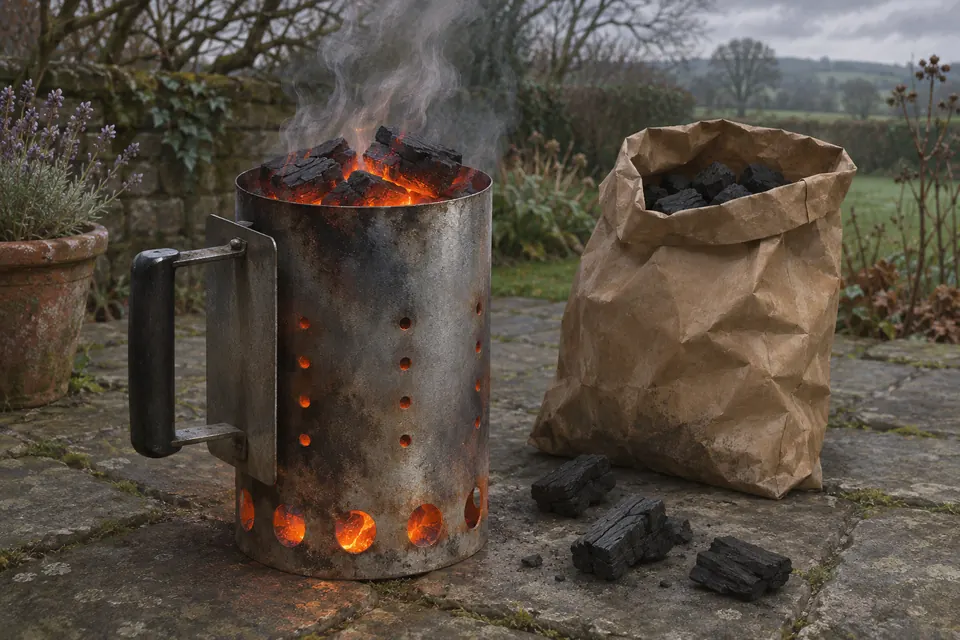 Fuel and wood
Charcoal for smoking
Lumpwood or briquettes for low-and-slow, what British-made charcoal offers, how to light it with a chimney starter, and why lighter fluid has no place in a smoker.
Read the guide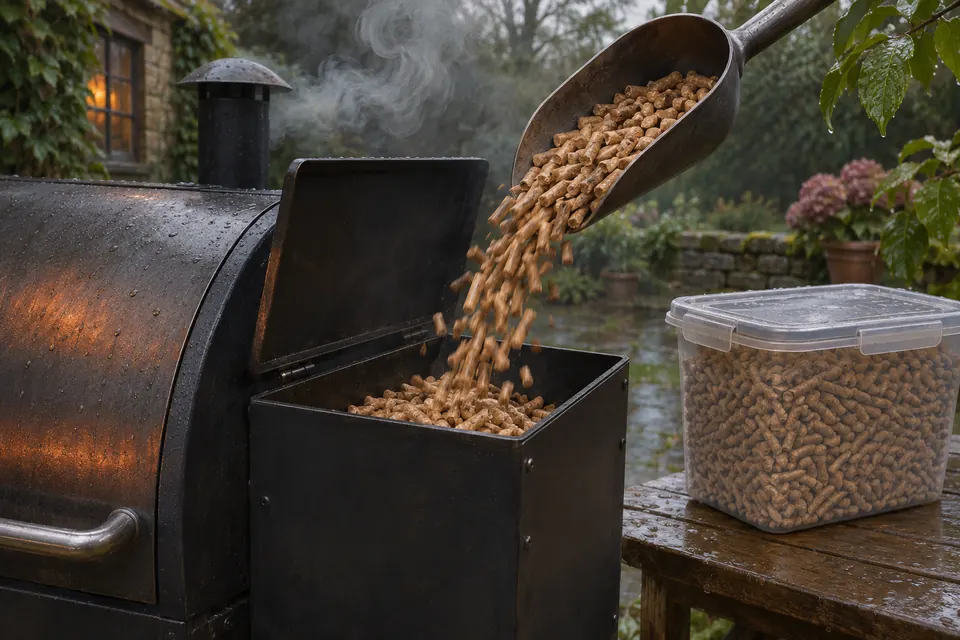 Fuel and wood
Wood pellets UK
Why heating pellets don't belong in a pellet grill, how to keep pellets dry in a damp British shed, and whether flavour blends or single-species pellets are worth it.
Read the guide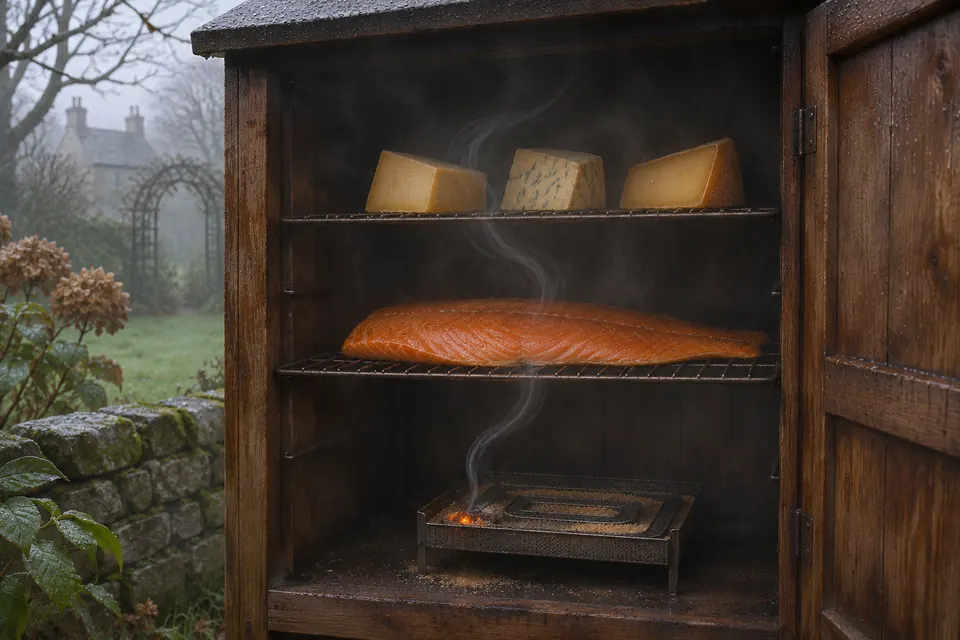 Cooks
Cold smoking at home
How cold smoking works, smoke generators, the best months in the UK, and the food-safety rules that matter. Start with cheese; treat fish and meat with care.
Read the guide