On this page · 8 sections
At a glance
- Ask for
- Turkey crown, or a modest spatchcocked bird
- Smoker
- Around 135–165°C
- Time
- Around 2.5–4 h for a 2–3 kg crown
- Wood
- Apple, cherry or beech
- Done when
- Safe temperature per FSA guidance
- Rest
- 30 min to 1 h, loosely covered with foil
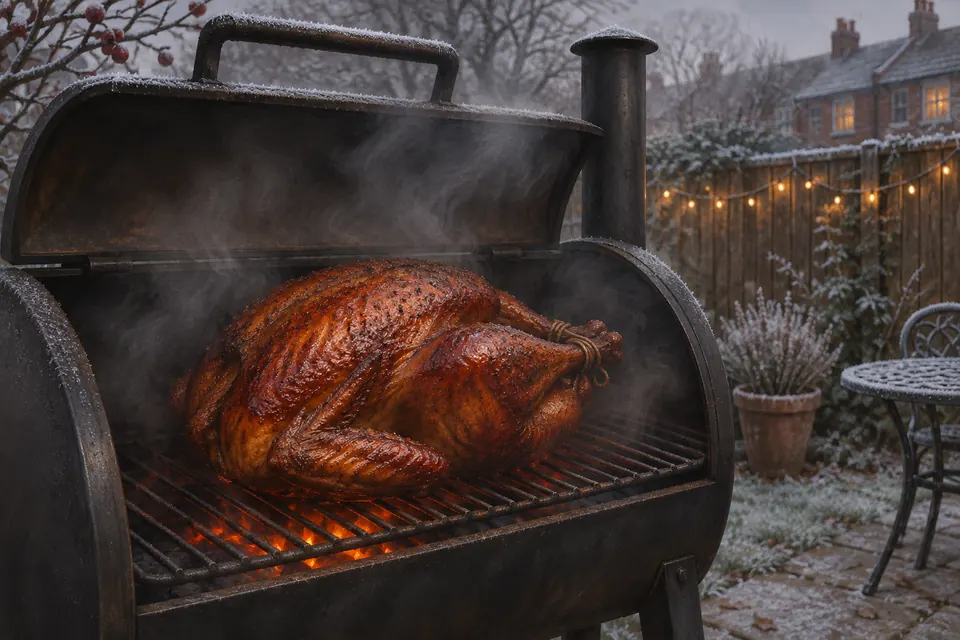
It's half past eleven on Christmas morning. The oven has the potatoes, the parsnips and something wrapped in bacon fighting for the top shelf, the hob is full of pans, and someone is asking whether the turkey is going in soon. If the turkey is already outside in the smoker, gently going golden, that question answers itself. The main reason to smoke a Christmas turkey is that it gives you an extra oven, though it tastes great too.
Crown or whole bird?
This is the decision that matters most, and for most home smokers the crown wins.
| Turkey crown | Whole turkey | |
|---|---|---|
| What it is | Breast on the bone, legs and back removed | The full bird |
| Even cooking | Good, one type of meat | Hard: legs and breast cook at different rates |
| Fits in the smoker | Easily, even a kettle | Big birds may not fit with the lid shut |
| Time | Shorter | Longer, sometimes much longer |
| Gravy and leftovers | Less carcass for stock | Legs, wings and a stock-pot carcass |
| Who it suits | First smoked turkey, smaller gatherings | Bigger smokers, cooks who've done chicken first |
A whole turkey is basically a big chicken with a timing problem. The breast is done well before the legs, and on a large bird the gap is long enough to dry the breast out. If you want a whole bird, spatchcock it, the same as our smoked whole chicken method, and keep the size modest. Very large birds are hard to smoke evenly on most home smokers and might not fit at all once flattened.
A workable middle path: smoke a crown and roast or braise the legs separately, either the day before or in the oven on the day.
Order from your butcher early. Christmas birds get booked up weeks ahead, and specific requests like "a crown, bone in, with the legs boned and rolled separately" are easier to sort in November than on the 23rd.
Defrost properly
If your turkey is frozen, defrosting is the part people underestimate. A big bird can take days in the fridge, and smoking a turkey that's still frozen in the middle is a food safety problem, not just a slow cook. Check the FSA guidance on defrosting times and plan back from Christmas Day. Fresh birds avoid the question entirely.
Brine the day before
Turkey breast is lean and dries out easily, so brining is worth doing.
- Dry brine. Rub salt all over the bird and under the skin, then leave it uncovered on a tray in the fridge for a day or two. It seasons the meat and dries the skin, which helps it crisp in the smoker.
- Wet brine. Submerge the bird in salted water overnight. Juicier still, but the skin comes out wet, so you need to dry it thoroughly afterwards. It also needs a container big enough and somewhere cold to put it, which in December is a fridge already full of sprouts.
The brine calculator gives you salt and sugar weights for either method from the weight of the bird, which is much easier than trying to scale a recipe written for an American turkey in pounds. Use plain salt, not a pre-salted rub on top, or it ends up too salty.
Smoker set-up for Christmas Day
Turkey is poultry, so it wants the same hotter set-up as chicken: around 135–165°C at the grate. Lower than that and the skin goes rubbery and the cook drags on. Leave the water pan empty or remove it.
Woods: apple, cherry and beech all give a gentle, slightly sweet smoke that suits turkey. A small amount of oak works too. Go easy; a big bird on a long cook can take on more smoke than you'd expect. Our smoking wood guide has more.
Put a leave-in probe in the thickest part of the breast, not touching bone. A wireless probe means you can keep an eye on it from the kitchen while you deal with the gravy; our BBQ meat thermometers guide explains the options.
Cooking in the cold
A Christmas cook is almost always a cold-weather cook, and that changes the plan.
- Fuel. A smoker loses heat much faster on a frosty morning, especially in wind. Expect to use noticeably more charcoal or pellets than on a summer cook of the same length. The fuel calculator gives a rough starting figure; add a margin on top.
- Start time. The smoker takes longer to come up to temperature, and opening the lid costs more. Light up earlier than you think and resist peeking.
- Shelter. Shield the smoker from wind with a fence or wall, but keep it outside in the open. Never move a smoker into a garage, shed or porch, however cold it is.
Our guide to smoking in winter covers this in more detail.
Aim to have the turkey finished an hour before you need it. A rested bird under foil stays hot for longer than you'd expect, and the buffer saves Christmas if the cold slows things down.
When is it done?
Times depend on the bird, the smoker and the weather. A crown of around 2–3kg usually takes somewhere around two and a half to four hours at the temperatures above, but use them only to plan.
Turkey must be cooked through. Check the FSA guidance for the safe internal temperature and make sure the thickest part of the breast reaches it, and the thickest part of the thigh if you're smoking a whole bird. Juices should run clear with no pink meat near the bone. The usual advice is to cook stuffing separately rather than inside the bird, because stuffing in the cavity slows the cook and may not get hot enough.
Rest and carve
Rest the turkey loosely covered with foil for around 30 minutes to an hour. Don't wrap it tight or the skin goes soft. That rest is when the oven is free for the final blast on the roast potatoes. Our guide to resting smoked meat has more on holding meat hot.
Smoky drippings make an excellent gravy, though taste before adding all of them; they can be strong.
If you want the smoker working on Boxing Day too, a smoked gammon is the obvious follow-up. For now, weigh your bird, work out the salt with the brine calculator and put the brining date in the calendar.
FAQs
How long does it take to smoke a turkey crown?
A crown of around 2–3kg usually takes somewhere around two and a half to four hours at about 135–165°C, longer in cold or windy weather. Finish on temperature, not time, and allow an hour's buffer.
Can I smoke a whole turkey on a kettle BBQ?
A crown or small spatchcocked bird fits on most kettles with the coals set for indirect heat. Large whole birds often won't fit with the lid closed, and they cook unevenly anyway.
Should I brine my Christmas turkey?
Yes, most cooks find it makes a real difference to lean turkey breast. A dry brine is simpler and gives better skin; a wet brine gives juicier meat but needs more fridge space.
Will smoked turkey taste too smoky?
Not if you use a mild wood like apple or beech and only a few chunks. Turkey takes on smoke more readily than beef, so it's easy to overdo with strong wood or thick smoke.
Keep going
 Cooks
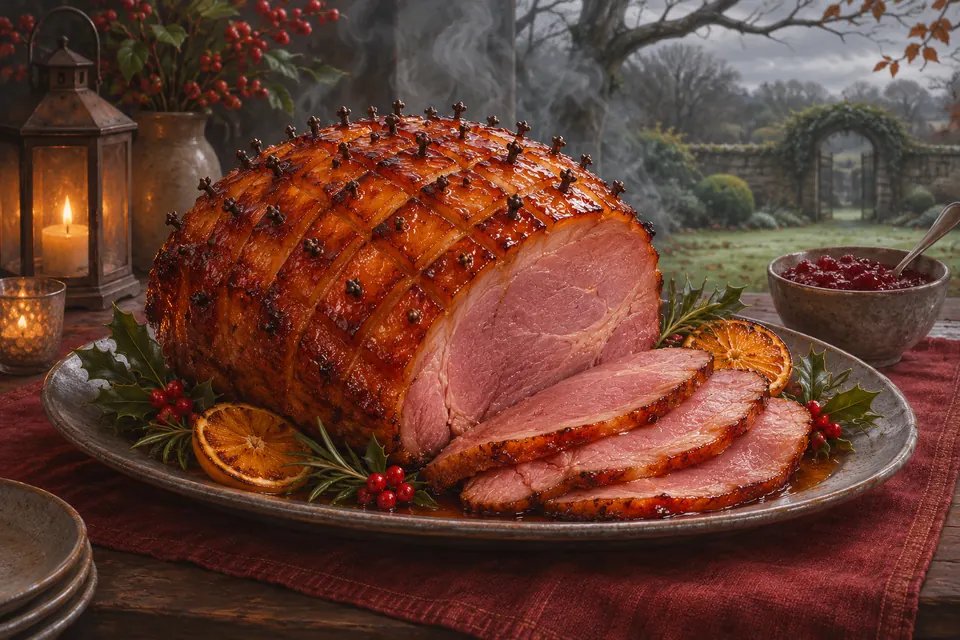
Smoked gammon and ham
How to smoke a gammon joint in the UK: why gammon is already cured, soaking, smoking and glazing, and why it's the perfect Boxing Day cook.
Read the guide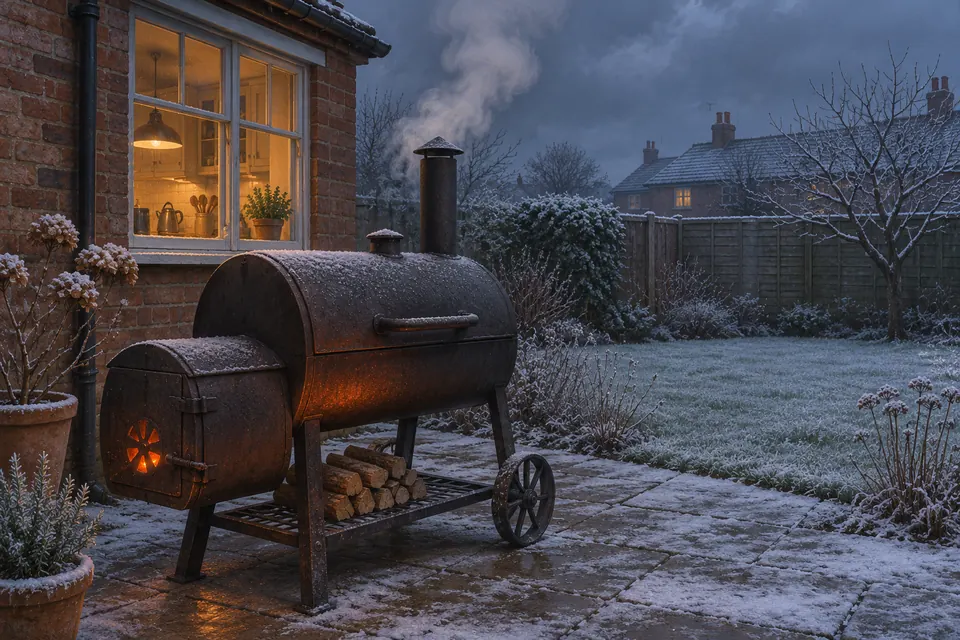 Weather and kit
Smoking in winter
How to keep a smoker running through a British winter: cold and wind, extra fuel, insulation blankets, dark evenings, and why it never goes in the garage.
Read the guide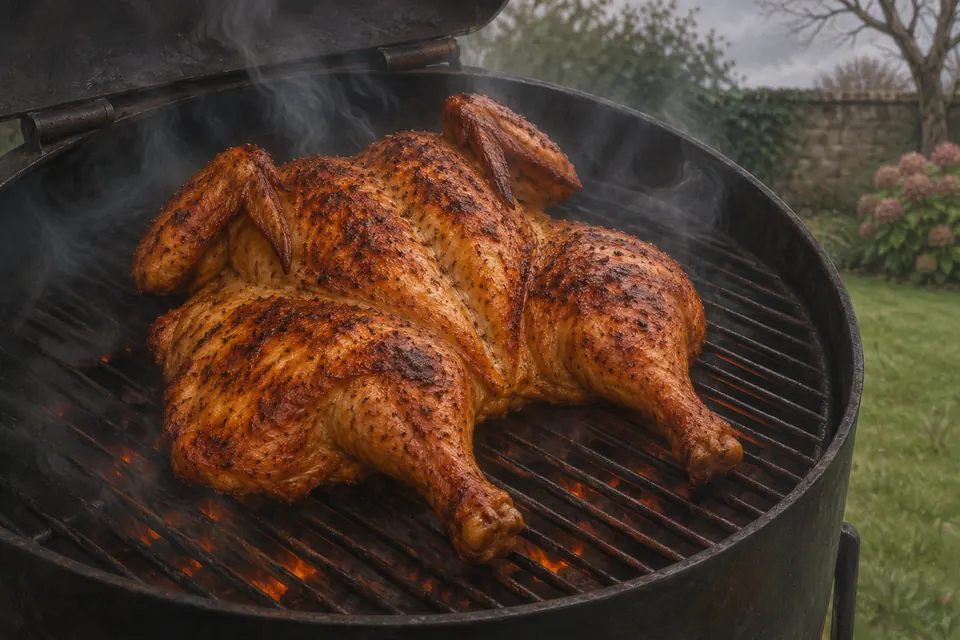 Cooks
Smoked whole chicken
How to smoke a whole chicken in the UK: spatchcocking, dry brining, the higher temperature that stops rubbery skin, and checking it's safely cooked.
Read the guide