On this page · 14 sections
- 1. Starting too late
- 2. Putting food on before the smoker has settled
- 3. Thick white smoke
- 4. Using too much wood
- 5. Lighting with lighter fluid or instant-light bags
- 6. Trusting the lid thermometer
- 7. Lifting the lid
- 8. Chasing the temperature
- 9. Panicking at the stall
- 10. Cooking to the clock rather than to tenderness
- 11. Skipping the rest
- 12. Slicing with the grain
- A quick checklist
- FAQs
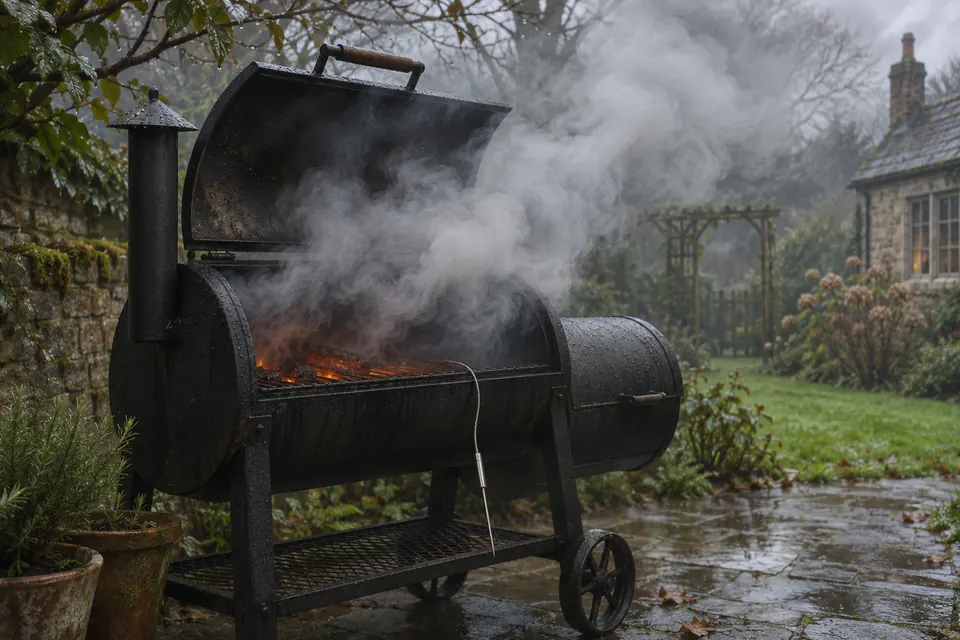
Somewhere in Britain this weekend, someone is lifting the lid of their smoker for the ninth time to see how the brisket is getting on. It won't help. Nor will the extra handful of wood chips, the vents being fiddled with every ten minutes or the anxious prod with a fork. Smoking is forgiving in plenty of ways, but the same dozen mistakes catch out nearly everyone at least once. Here they are, with the fix for each.
1. Starting too late
Big cuts take most of a day, and they don't all take the same time. Two pork shoulders of the same weight can finish hours apart. Starting late means rushing the end, cranking the heat, skipping the rest and serving at 9pm anyway.
The fix: work back from when you want to eat, using a cook-rate range rather than a single number. Our smoking time planner does the sums. Then add an hour or two of buffer. Finishing early is easy to manage, because a wrapped joint holds happily in a cool box. Finishing late isn't.
2. Putting food on before the smoker has settled
A smoker that's still climbing will overshoot, and a fresh fire puts out its dirtiest smoke in the first half hour. Food that goes on too early gets both.
The fix: light up, shut the lid, set the vents and give it around 30 to 45 minutes. Food goes on when the temperature has held still for a while and the smoke has thinned. Our first cook walkthrough covers the order of events.
3. Thick white smoke
More smoke doesn't mean more flavour. Thick white smoke comes from a fire short of air or wood that's damp, and it leaves food tasting bitter and sooty.
The fix: keep the exhaust open, control heat with the intake and add wood only to a hot fire. You're after a faint, wavering haze. The full method is in our guide to fire management and thin blue smoke.
4. Using too much wood
This is the close cousin of mistake three. Buckets of chips, a firebox stuffed with logs, a fresh chunk every half hour: the meat ends up acrid, especially poultry and fish.
The fix: on charcoal smokers, two or three fist-sized chunks of oak, beech, apple or cherry is plenty for most cooks. The meat takes on most of its smoke early, so adding wood late on mostly costs money.
5. Lighting with lighter fluid or instant-light bags
They're convenient, but the chemical smell doesn't always burn off before the food goes on, and on a low, slow fire it has less chance to.
The fix: a chimney starter and a couple of natural firelighters or some scrunched newspaper. It's cheap, quick and leaves no flavour behind.
6. Trusting the lid thermometer
The dial on the lid measures the air at the top of the dome, not where the food is. It can be some way out, and often is on cheaper smokers.
The fix: a digital probe thermometer with one probe at grate level and one in the meat. If you buy one thing after the smoker, make it this. Our thermometer guide explains what to look for.
7. Lifting the lid
"If you're looking, you're not cooking" is an old line because it's true. Every look lets out heat and moisture, the fire flares with the rush of air, and the cook gets longer.
The fix: a leave-in probe tells you what you need to know. Open up only to wrap, spritz or take the food off. If you need to check the bark, do it quickly.
8. Chasing the temperature
The smoker drifts up five degrees, so the vents get shut. It drops, so they get flung open. An hour later it's swinging wildly and the fire is in a sulk.
The fix: small vent changes, then wait 15 minutes before touching anything again. Smokers respond slowly, and a steady temperature within a sensible band matters more than hitting an exact number. More in our temperature control guide.
9. Panicking at the stall
A few hours in, the internal temperature of a big joint stops rising and stays there, sometimes for hours. It's normal, it's caused by evaporation from the surface, and it ends on its own.
The fix: decide in advance what you'll do. Wait it out if time allows, wrap in foil or butcher paper to push through faster, or nudge the smoker up a little. Don't crank it to 180°C. The full explanation is in the stall.
10. Cooking to the clock rather than to tenderness
Recipes give times, and times are guesses. A brisket isn't done because it's been on for twelve hours, or because it hit a particular number on the probe.
The fix: use temperature to tell you when to start checking, then judge by feel. For pulled pork and brisket, a probe should slide in with almost no resistance all over the joint. Poultry and anything not cooked long and slow should reach the safe temperatures in the FSA guidance.
11. Skipping the rest
Meat straight off the smoker is tense and the juices are loose. Slice it immediately and they end up on the board instead of in the meat.
The fix: wrap it, wrap that in an old towel and put it in a dry cool box. Big cuts will sit happily for one to three hours and still be hot enough to serve. It also covers you if the cook ran early, which is the other reason it's in this list. More in resting smoked meat.
12. Slicing with the grain
After all that work, a brisket sliced the wrong way still eats like an old belt. The point and flat have their grain running in different directions, which catches out a lot of people.
The fix: check the grain before you cook and again before you slice. Cut across the fibres, and turn the point round once you've separated it from the flat. Our guide to trimming and slicing brisket shows how.
A quick checklist
| Before the cook | During the cook | After the cook |
|---|---|---|
| Plan back from dinner time | Keep the exhaust open | Rest big cuts wrapped |
| Have plenty of fuel | Small vent changes, then wait | Slice across the grain |
| Light with a chimney | Lid shut unless wrapping | Close vents to put the fire out |
| Charge the thermometer | Expect the stall | Chill leftovers promptly |
Running out of fuel deserves an honourable mention. It's not on the main list because the fix is so simple: buy more charcoal than you think you need, and check you have it before the shops shut on Saturday night.
For your next cook, pick one item from this list that caught you out last time and plan around it. Print the checklist, stick it inside the shed door and see how much calmer the afternoon feels.
FAQs
What is the single most common smoking mistake?
Starting too late, closely followed by trusting the lid thermometer. Both lead to rushed, uneven cooks, and both are easy to fix with planning and a probe thermometer.
Why does my smoked meat taste bitter?
Almost always dirty smoke, from a fire that's short of air, wood added to weak coals or simply too much wood. Open the intake, keep the exhaust open and use fewer chunks.
Why is my brisket dry?
Usually a combination of an overcooked flat, no rest and slicing too early or along the grain. A well-trimmed brisket, cooked to tenderness and rested for an hour or more, is far more forgiving.
Should I spritz or mop the meat?
It's optional. A light spritz can help bark colour and keep thin edges from drying, but every spritz means opening the lid. Many cooks skip it entirely and get good results.
Keep going
 TechniqueCornerstone
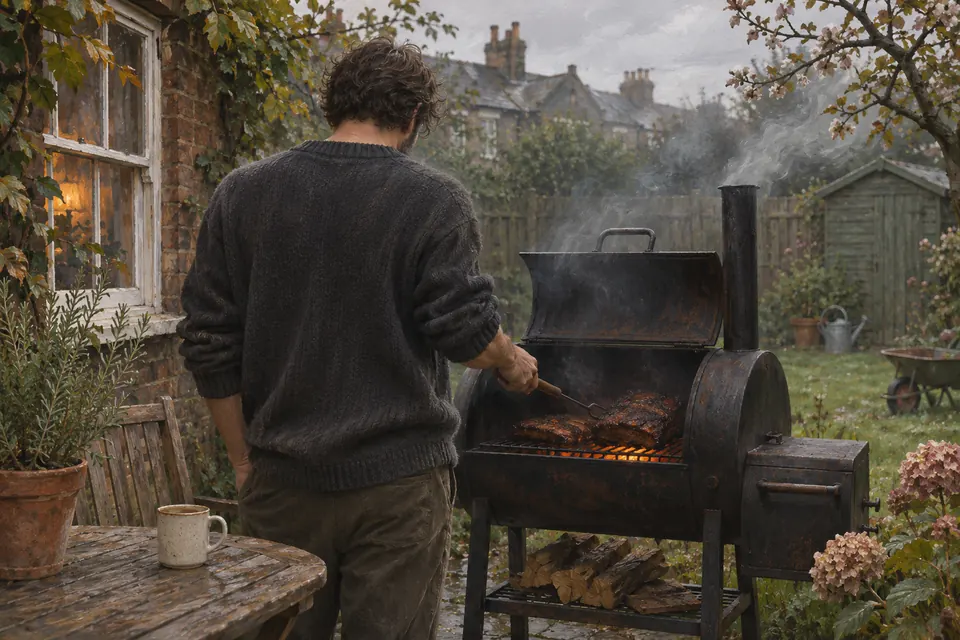
How to use a smoker
Everything that happens in a first smoke, in order: lighting, holding temperature, adding wood, the stall, wrapping, resting and knowing when it's done.
Read the guide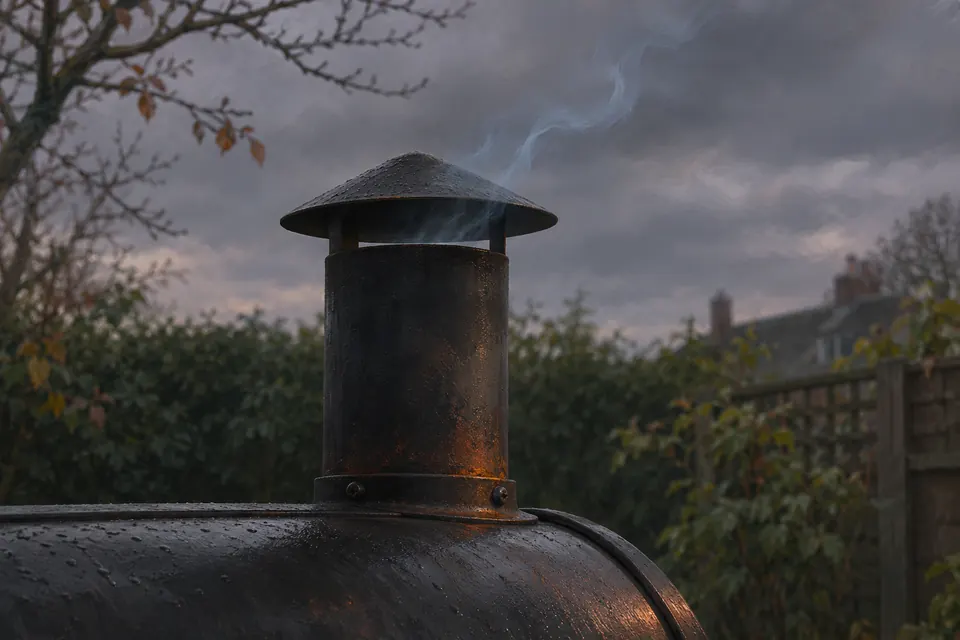 TechniqueCornerstone
Thin blue smoke
Clean fire versus smouldering fire, how airflow shapes the smoke, when to add wood, and how to read smoke colour on any charcoal or wood smoker.
Read the guide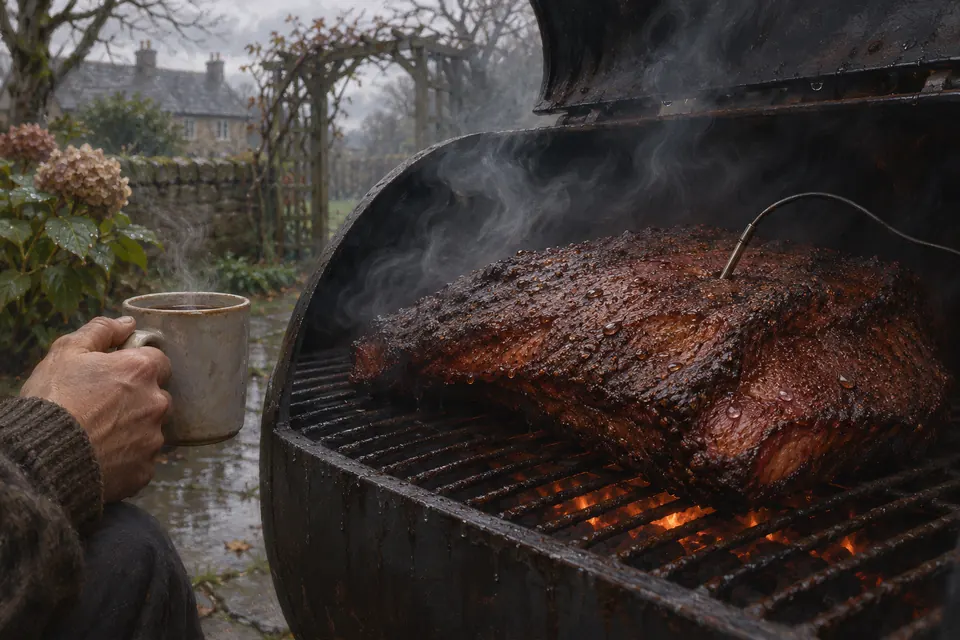 TechniqueCornerstone
The stall explained
Why big cuts stop rising in temperature for hours mid-cook, the simple science behind it, and when to wait, wrap or turn the heat up.
Read the guide