On this page · 8 sections
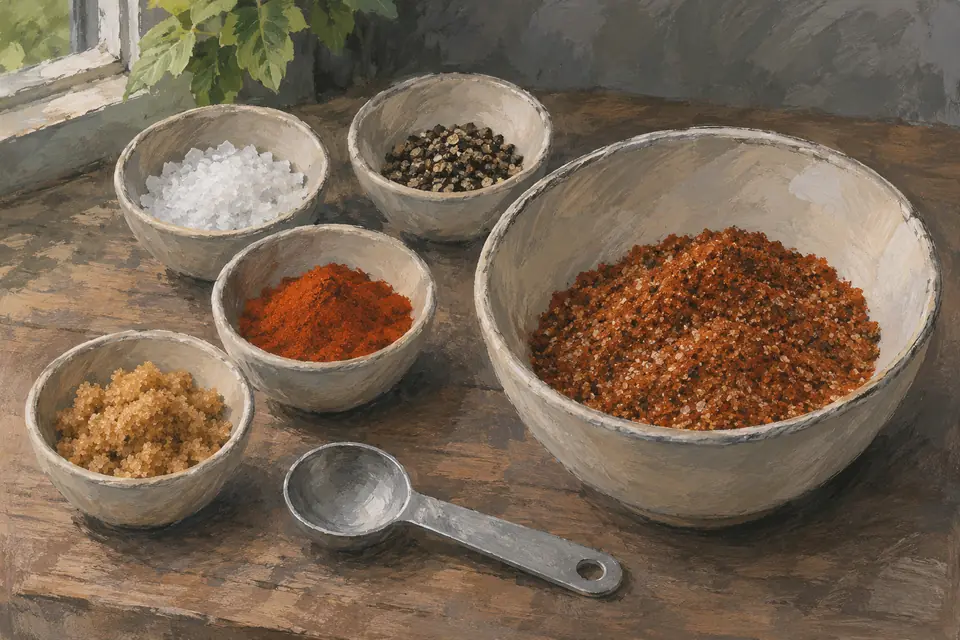
Salt is the only part of a rub that really has to be measured. Everything else, the sugar, paprika, pepper and garlic, can drift a bit either way and the meat will still taste good. Too much salt, and there's no rescuing it. So this guide gives you a base rub as simple ratios, then shows you why the salt gets worked out first.
Why parts beat recipes
A rub written in parts is just proportions. "Two parts sugar, one part salt" works whether a part is a teaspoon, a tablespoon or a coffee mug. That makes it easy to scale for a single rack of ribs or a whole party's worth of pork shoulder, and you don't need scales for anything except the salt.
Measure by volume (spoons) for the flavourings and you'll be close enough. Measure the salt more carefully, for reasons that come down to crystal size.
The base rub
This is a classic sweet-savoury rub that suits pork shoulder and ribs out of the box, and adapts easily for other meat.
| Ingredient | Parts (by volume) | What it does |
|---|---|---|
| Light brown sugar | 2 | Sweetness and colour on the bark |
| Paprika (sweet, or half smoked) | 2 | Colour and mild, earthy flavour |
| Fine sea salt | 1 | Seasoning; the part to get right |
| Coarse black pepper | 1 | Heat and texture in the crust |
| Garlic granules | ½ | Savoury depth |
| Onion granules | ½ | Savoury, slightly sweet |
| Chilli powder or cayenne | ¼ | Background heat; adjust to taste |
| Mustard powder | ¼ | A sharp edge that cuts through fat |
Mix it in a bowl, break up any sugar lumps with your fingers, and taste a pinch. It should taste a bit too salty and a bit too strong on its own. On meat it mellows a lot.
If one part is a tablespoon, the whole mix comes to about seven and a half tablespoons. That's enough for a typical pork shoulder or a couple of racks of ribs, depending on how heavily you coat.
Salt first
Most rub recipes hide the salt inside the mix, which means the amount of salt you put on the meat depends on how much rub you happen to sprinkle. Heavy-handed with the rub, and the meat gets heavily salted. Most home rubs that come out too salty go wrong right there.
The fix is to think about salt separately:
- Decide how much salt the meat needs. A common starting point for dry brining is somewhere around 0.75–1% of the meat's weight in salt. The brine calculator does the sum for you from the weight of the joint.
- Salt the meat first, ideally the night before, and leave it uncovered or loosely covered in the fridge. The salt draws out moisture, dissolves and gets pulled back in. It seasons more deeply and helps the bark later.
- Then use a low-salt or salt-free version of the rub for flavour and crust, so you can coat as heavily as you like without oversalting.
If you'd rather keep it simple and use one mix, that's fine. Just be consistent with how heavily you coat, and note what worked.
Not all salt is equal
A spoonful of fine table salt has far more salt in it than a spoonful of flaky sea salt, because flakes are bulky and full of air. Roughly speaking, fine salt is about twice as salty by volume. Swap one for the other in a rub without adjusting and you'll either undersalt or oversalt badly.
Pick one salt for rubs and stick with it. Fine sea salt mixes evenly. Flaky salt looks nice but separates out in the jar. If you switch, weigh it.
Scaling the rub
Because it's all ratios, scaling is just choosing the size of a part:
- One rack of spare ribs: 1 part = 1 teaspoon.
- Pork shoulder or brisket: 1 part = 1 tablespoon.
- A party batch for the jar: 1 part = a quarter or half mug.
The fractions get fiddly at teaspoon size, so for small batches round the quarter parts to "a pinch" and don't worry about it. For big jars, the ratios hold perfectly.
Variations by meat
The base is a pork rub. A few easy changes take it elsewhere:
- Beef (brisket, short ribs): drop the sugar entirely. The classic is just coarse black pepper and salt, often in equal parts or two parts pepper to one part salt by volume, sometimes with a half part of garlic. Sugar scorches over a long cook and fights the beefy flavour.
- Pork: use the base as written. For a sweeter, darker bark on ribs, swap some of the brown sugar for dark muscovado.
- Chicken: halve the sugar, add a part of dried herbs (thyme, oregano) and a little more garlic. Sugar on poultry cooked hotter burns quickly.
- Lamb shoulder: halve the sugar, swap the mustard for ground cumin, add dried rosemary. It suits the fattiness well; see smoked lamb shoulder.
Write the ratio on the jar lid in marker pen. Six months later you will not remember what was in "good red one".
Putting it on
Pat the meat dry. A binder isn't essential, but a thin smear of yellow mustard or oil helps the rub stick; the mustard flavour cooks out completely. Sprinkle from a height so it lands evenly, coat all sides, and don't rub it in hard, which can make it clump. Then let it sit for at least 15 minutes, or overnight if the meat is going in the fridge anyway, until the surface looks damp.
Storing rubs
Kept airtight, somewhere cool and dark, a home-made rub stays good for a few months before the spices fade. Brown sugar clumps in damp weather, which British kitchens have plenty of. A few grains of dry rice or a terracotta sugar saver in the jar helps. Mix fresh garlic or herbs into a rub only on the day; they don't keep.
Make a small batch now, try it on a shoulder using the pulled pork guide, and adjust one ingredient at a time next cook.
FAQs
Can I use a shop-bought rub?
Of course. Check where salt sits in the ingredients list. If it's near the top, go lighter with the rub or skip separate salting, and taste a pinch before you coat a whole joint.
How much rub should I use?
Enough to cover the surface so you can barely see the meat through it. Exact amounts vary with the cut, but if you've salted separately you can be generous.
Should I put rub on the night before?
Salt benefits from going on the night before. The rest of the rub can go on the night before or on the morning; sugar-heavy rubs can draw a lot of liquid if left a long time.
Does a rub need sugar?
No. Beef often goes without, and many cooks skip it for chicken. Sugar mainly helps colour and sweetness on pork.
Keep going
 Technique
Bark and smoke ring
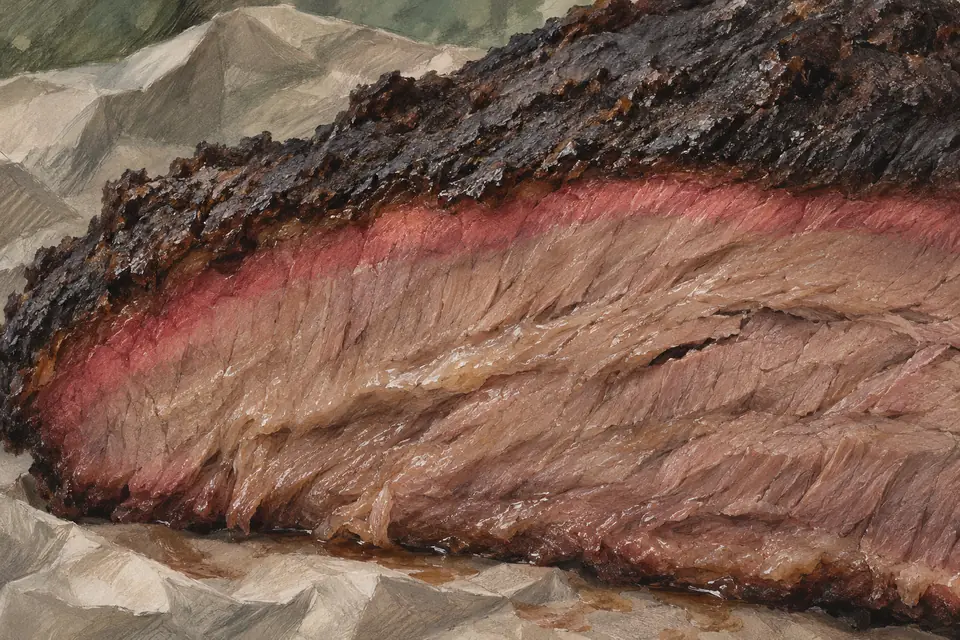
What makes a dark, crunchy bark on smoked meat, what the pink smoke ring actually is, and why you can stop worrying about the ring.
Read the guide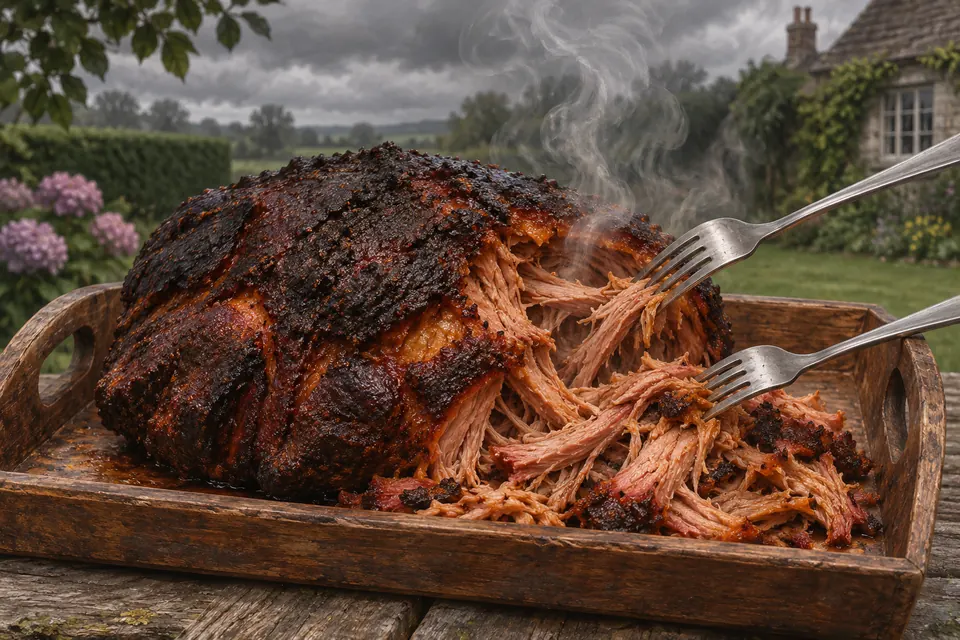 CooksCornerstone
Pulled pork smoking time
How long a UK pork shoulder takes on a smoker, per kg, with the stall, pulling temperature, holding and a plan that works back from dinner.
Read the guide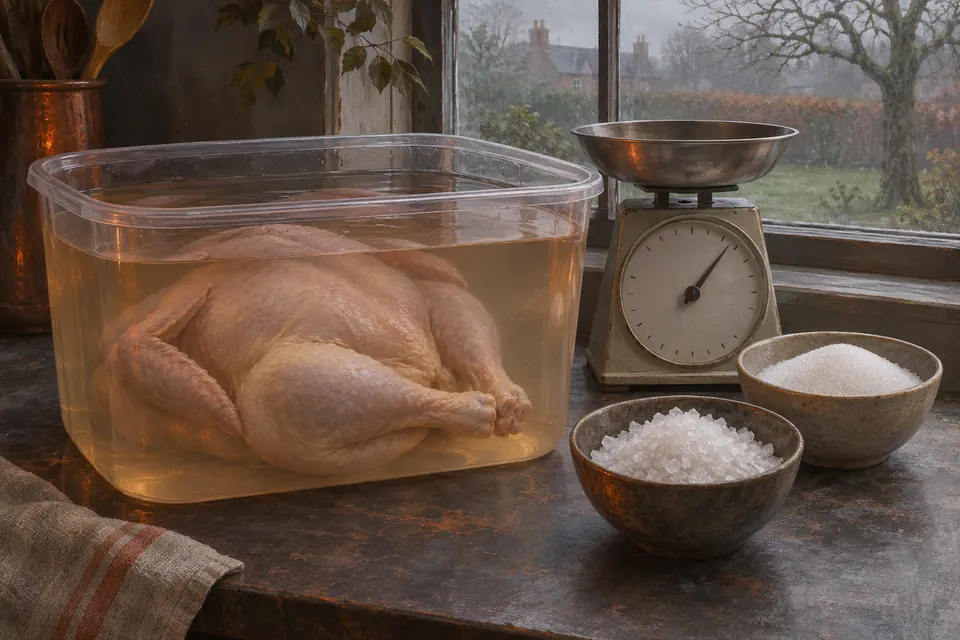 Tool
Brine calculator
Grams of salt and sugar for a wet, equilibrium or dry brine, from the weight of your meat and the strength your recipe asks for.
Open the tool