On this page · 5 sections
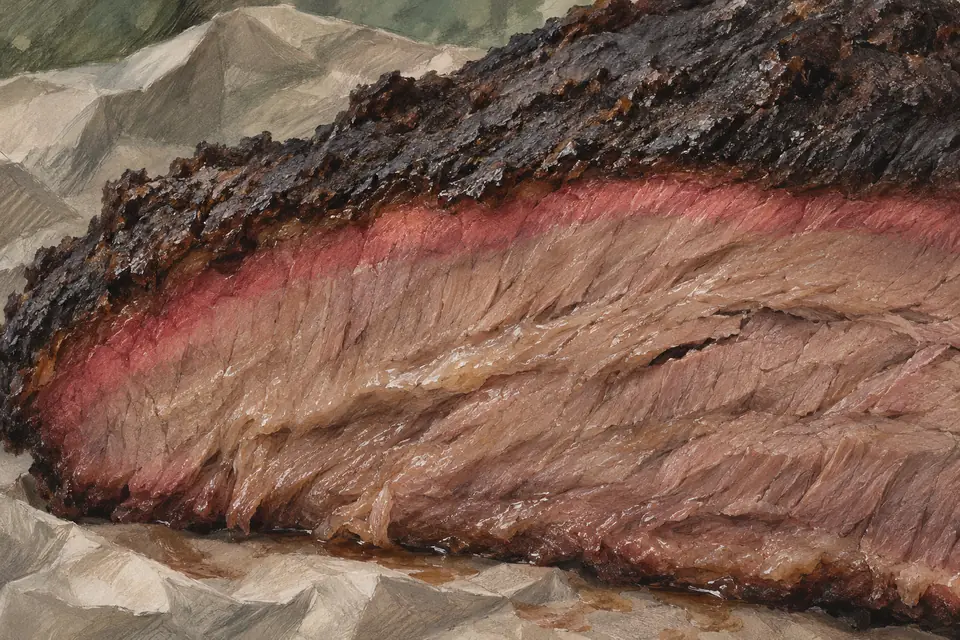
A reader asks: "My brisket tasted brilliant, but there was barely any pink ring under the bark. What did I do wrong?" Probably nothing. If it tasted brilliant, the cook worked. The bark is where a lot of the flavour lives and is worth chasing. The smoke ring is mostly cosmetic, and smoke-ring obsession is entirely optional.
What bark actually is
Bark is the dark, slightly crunchy crust on the outside of smoked meat. It isn't burnt, even when it's nearly black. It's a mix of things drying and browning together on the surface over many hours:
- The rub: salt, pepper, sugar and spices, partly dissolved by the meat's own moisture and then dried back on.
- Rendered fat, which coats the surface and helps it brown.
- Browning reactions between proteins and sugars, the same family of reactions that colours toast and seared steak.
- Smoke compounds, which settle on a tacky surface and darken it further.
A good bark is firm, dark mahogany to near-black, holds together when you slice, and tastes peppery, savoury and a little sweet. A bad one is soft, patchy, flaky, or bitter.
How to build a better bark
Most bark problems come down to moisture. A surface that stays wet can't dry and set, so anything that keeps it damp works against you.
| Helps bark | Hurts bark |
|---|---|
| Patting the meat dry before the rub goes on | Heavy, constant spritzing |
| A rub with coarse pepper and some salt | Wrapping in foil before the bark has set |
| Steady low-and-slow heat with decent airflow | A choked fire and thick white smoke |
| Fat trimmed thin enough that it renders | Thick, unrendered fat that never browns |
| Letting the surface go tacky before you spritz or wrap | Lots of sugar at high heat, which can scorch |
Rub and salt
Coarse black pepper is the backbone of beef bark, which is why the simple salt-and-pepper brisket rub is so popular. Sugar helps colour on pork, but it burns at higher temperatures, so go easy if you're cooking hot. Salting ahead, the night before, draws moisture to the surface, which then reabsorbs and leaves the surface ready to take colour. Our rub ratios guide has a base mix you can scale.
Airflow and clean smoke
Bark needs moving air to dry the surface. A smoker with the exhaust nearly shut traps damp air and stale smoke, and you get a sooty, bitter crust instead of a dark, clean one. Keep the top vent mostly open and control temperature from the intake. Thin, faint smoke is what you want; our guide to smoker temperature control explains how to get it. The wood matters a little too. Oak gives a deep colour on beef; fruit woods like apple and cherry give pork a redder tone. See smoking wood for UK species.
When to wrap
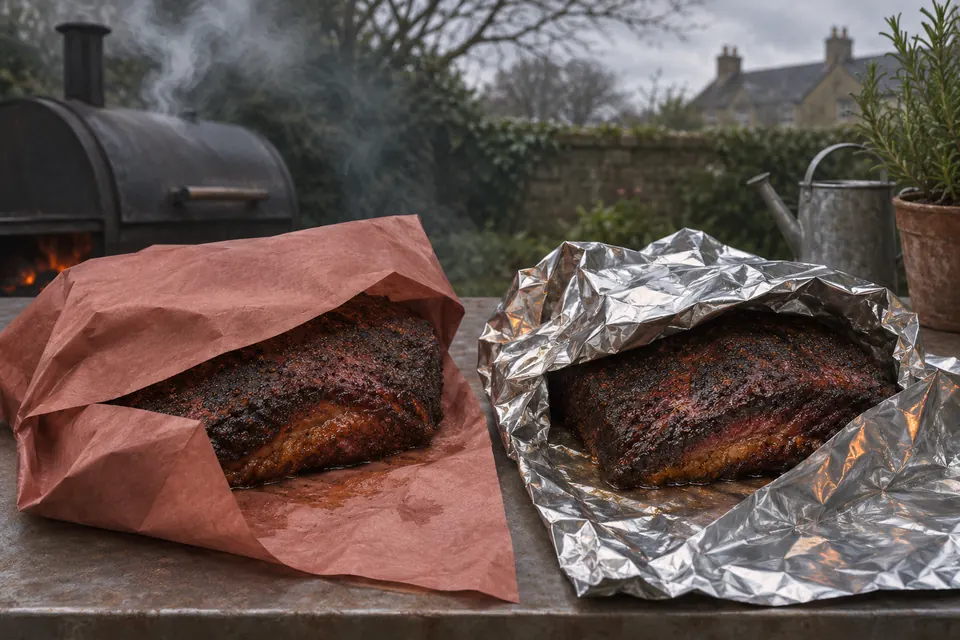
If you're wrapping to get through the stall, wait until the bark is set: dark, dry to the touch, and the rub doesn't come off on your finger. Wrap too early and the bark steams soft. Butcher paper keeps more crust than foil; the full comparison is in foil vs butcher paper.
Touch test: if you press the bark lightly and your finger comes away clean, it's set. If it comes away covered in rub, give it another half hour.
What the smoke ring is
The smoke ring is the pink band just under the surface of smoked meat, from a few millimetres to a centimetre or so deep. It isn't smoke soaking in, and it isn't undercooked meat.
Burning wood and charcoal produce small amounts of gases, mainly nitrogen dioxide and carbon monoxide. These dissolve into the moist surface of the meat and react with myoglobin, the pigment that makes raw meat red, locking it into a pink form that stays pink even when cooked. The reaction mostly happens early in the cook, while the outer layer is still relatively cool and moist. Once the surface heats past a certain point, the ring stops growing.
That explains the usual tips for a bigger ring: put the meat on cold from the fridge, keep the surface moist early, and burn charcoal and wood rather than relying on electric heat.
Why the ring doesn't matter much
The smoke ring is a chemical side effect, not a measure of how smoky the meat tastes. You can have a deep ring with a mild flavour, or almost no ring with plenty of smoke. A few points worth knowing:
- Electric and pellet smokers often make a thinner ring. Electric elements produce few of the gases involved, and pellets burn very cleanly. The food still tastes smoked. If you own an electric smoker, don't judge it by the ring.
- It can be faked. Curing salt contains nitrite, which produces the same pink colour without any smoke. That's why some BBQ competitions stopped judging the ring at all.
- It isn't a doneness sign. Pink near the surface of smoked chicken or pork is normal and doesn't mean it's raw, but it doesn't prove it's cooked either. Always check with a probe against the FSA guidance.
If you enjoy chasing a perfect pink stripe, go for it; it's harmless fun. If you don't, spend the effort on bark, tenderness and seasoning, which are what people taste.
Next time you cook, take a photo of the bark at the point you'd normally wrap, then again at the end. It's the quickest way to learn what "set" looks like on your smoker.
FAQs
Why is my bark soft?
Usually too much moisture: wrapping in foil early, a lot of spritzing, or a damp, choked smoker with poor airflow. Unwrapping for the last half hour can firm it up a little.
Why is my bark bitter?
Most often dirty smoke from a smouldering fire or wet wood, or a rub with lots of sugar scorched at high heat. Aim for thin, faint smoke and keep sugary rubs for lower temperatures.
Does a smoke ring mean better flavour?
No. It's a chemical reaction with gases in the smoke and doesn't track flavour closely. Plenty of very smoky meat has a faint ring.
Can I get a smoke ring on a pellet grill?
Usually a thinner one. Putting the meat on cold and keeping the surface moist early helps a little, but if the meat tastes good, the ring is a detail.
Keep going
 Technique
Foil vs butcher paper
When to wrap brisket, pork shoulder and ribs, how foil and butcher paper differ, and when it's better not to wrap at all.
Read the guide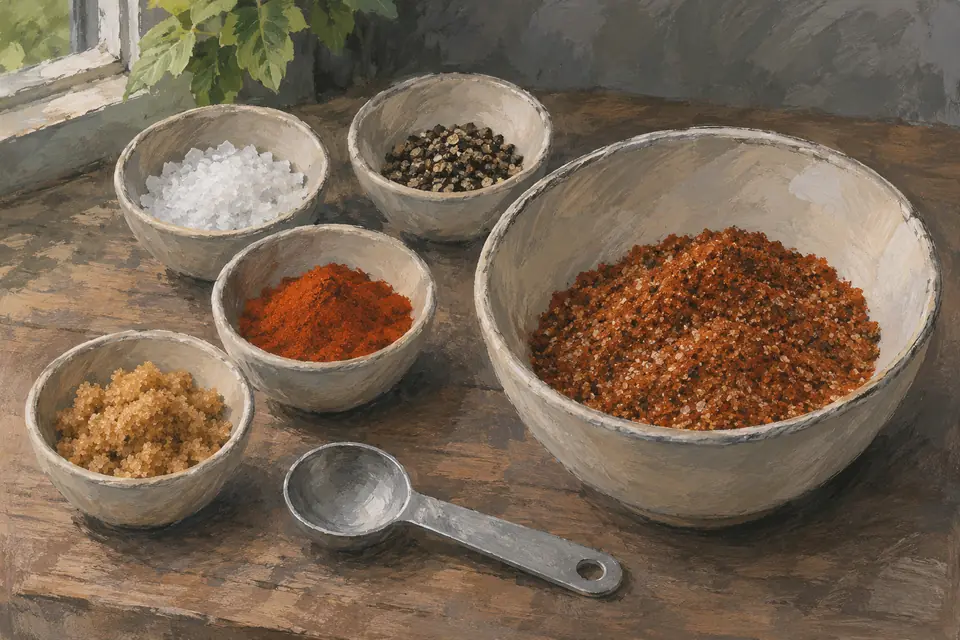 Technique
BBQ rub ratios
A simple base BBQ rub written as parts, why salt should be worked out first, how to scale it for any cut, and easy variations for beef, pork, chicken and lamb.
Read the guide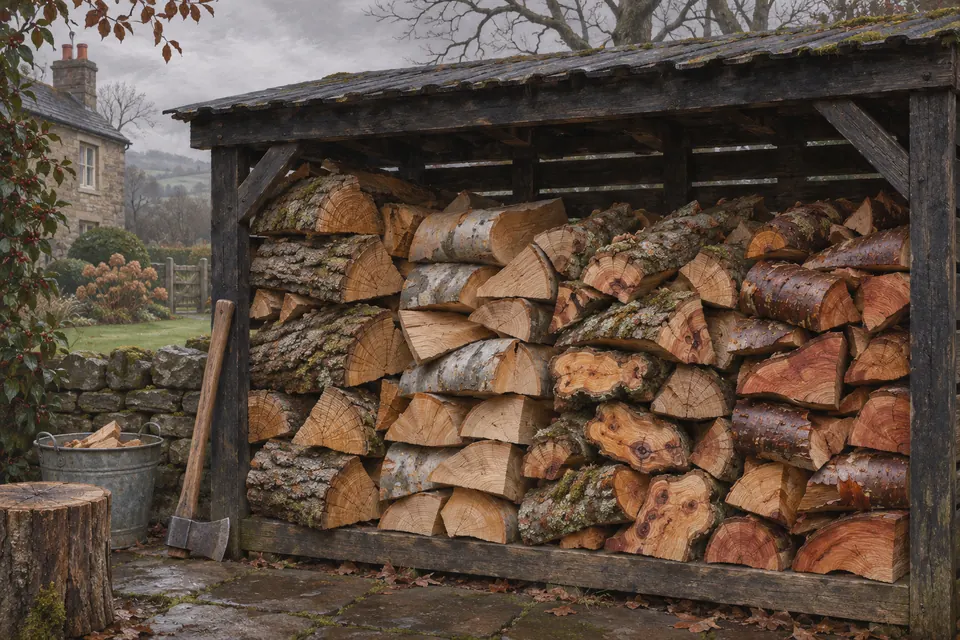 Fuel and woodCornerstone
Smoking wood in the UK
Which British woods suit which meats, chunks vs chips vs splits vs pellets, how dry the wood should be, what never to burn and how to store it.
Read the guide